Egypt's FRA Approves Short Selling Framework to Boost Exchange Liquidity
New rules build a centralized securities-lending system with collateral requirements, free-float caps, and stricter broker obligations.
Tariq Benali Tariq Benali covers business and corporate news across the UAE and MENA for Anecdoted, tracking the deals, leadership moves and regulatory shifts behind the region's companies. tariq@anecdoted.com
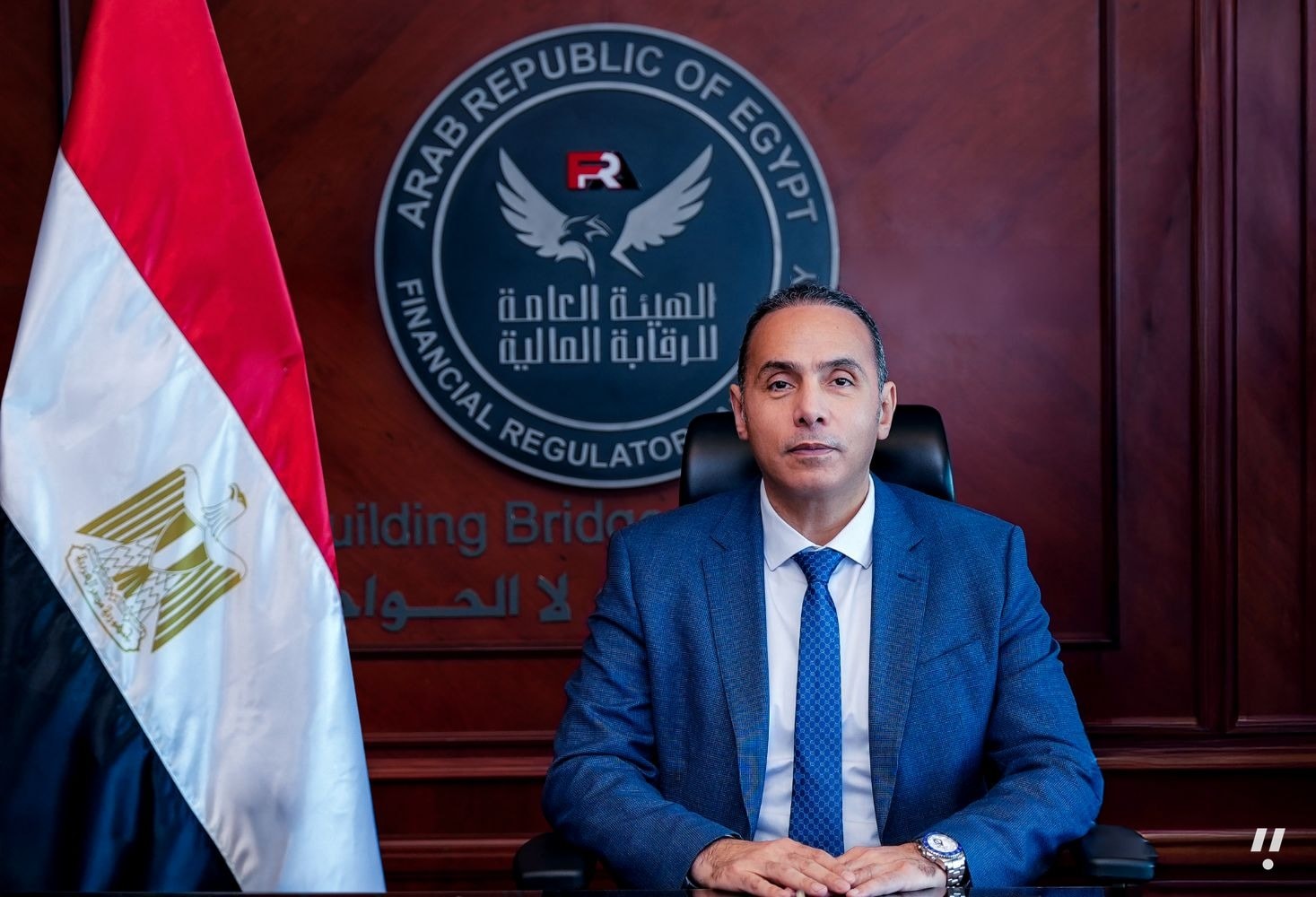
Egypt's Financial Regulatory Authority has approved a short-selling framework meant to boost liquidity, improve price discovery, and strengthen the Egyptian Exchange. In a short sale, an investor borrows shares, sells them at market price, buys them back cheaper, and returns them. The framework sits on a centralized securities-lending system that links MCDR, the exchange, brokers, and custodians. Short sellers can view lending offers and pick ones that match their goals; lenders can view offers too.
Not every stock qualifies. The exchange sets eligibility criteria, subject to FRA approval. Borrowed shares are capped at 40% of a company's free-float; each borrower and related parties can hold no more than 2% of free-float. Contracts among broker, lender, and borrower are capped at 5%. The FRA may adjust lender limits depending on market conditions, remove securities from the lending list, change collateral discount rates, restrict participants, or suspend a broker's authorization.
The safeguards are explicit. Short sellers must post a cash guarantee of at least 50% of the borrowed securities' market value before the transaction. MCDR oversees the centralized system, monitors borrowing and lending limits, revalues borrowed securities and total collateral daily at the latest closing price, and holds full sale proceeds for the lender, investing them in fixed-income or FRA-approved instruments. Lenders keep cash and in-kind dividends and subscription rights. Voting rights belong to the owner at the general assembly date.
Brokers bear a large share of the compliance load. They must judge a client's ability to meet obligations using financial position and investment objectives, maintain transaction records, monitor settlement accounts, install internal control and audit frameworks, and appoint at least one employee with FRA-specified training. Short-selling brokers need net shareholders' equity of at least EGP 5 million, about $100,000. Firms that also do margin trading and securities borrowing need EGP 10 million, about $200,000. An average net liquid capital ratio of at least 15% over six months is required, and brokers have one month from the decision's effective date to build the necessary technology.
The design shifts much of the monitoring burden to brokers and the central depository, a signal that the market wants institutional participation without loosening control.
FRA Chairman Islam Azzam said the rules balance flexibility with risk controls, transparency, and protection. Short selling, he said, modernizes Egypt's capital-market infrastructure and diversifies investment tools. Amr Zakaria Abdo, financial markets expert and founder of Market Trader Academy, said the 40% ceiling reflects the limited supply of lendable shares. Even with that cap, he argued, the framework supports liquidity, pricing efficiency, institutional hedging strategies, and global investor appeal. He said the 50% cash collateral, plus oversight and daily mark-to-market, balances adoption with protection from volatility and default risk. Abdo expects higher trading volumes, more foreign investment, and a stronger investment climate. In the long run, he said, short selling should help upgrade Egypt's market classification and attract passive investment funds that track international indexes.

