France’s Largest Bank Secures Saudi Regional Headquarters Licence
BNP Paribas has taken a Saudi regional headquarters licence, joining Goldman Sachs and other lenders in meeting Riyadh’s relocation requirement.
Nadia Mansour Nadia Mansour covers fintech across the UAE and MENA for Anecdoted -- digital banking, payments licences and the startups building around them. nadia@anecdoted.com
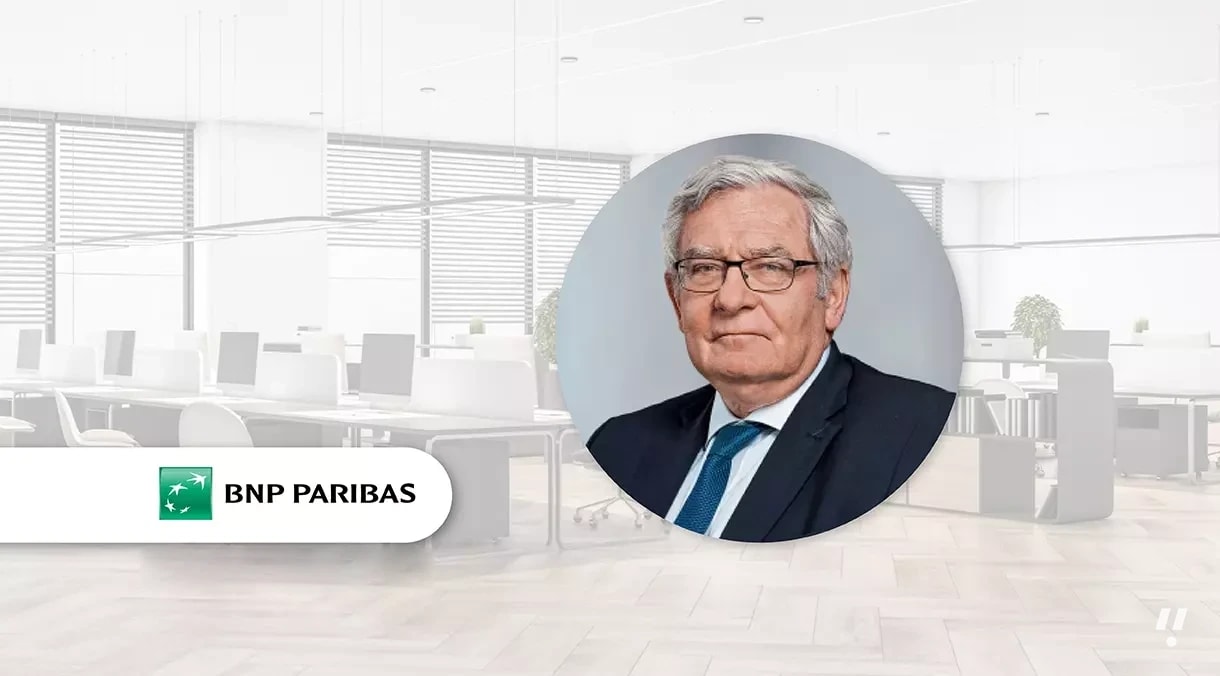
BNP Paribas has been granted a regional headquarters licence in Saudi Arabia. The licence was announced in Paris by Fahd bin Abduljalil al-Saif, Saudi Arabia’s investment minister, and Jean Lemierre, chairman of BNP Paribas. Saudi state news agency SPA reported the move.
BNP Paribas is France’s largest bank. It already has offices in Saudi Arabia, the UAE, Qatar, Kuwait and Bahrain. The licence turns Riyadh into a formal regional base, rather than one city in a long list of Middle East operations.
The bank is not alone in taking that step. Goldman Sachs, Morgan Stanley, Citigroup and BNY Mellon have all secured Saudi regional headquarters licences before it. The presence of those names shows that Riyadh’s headquarters requirement has been accepted by the institutions it was designed to attract. That sends a signal to any bank still waiting: the policy is real and the list of licensees is growing.
Saudi Arabia has pressed multinationals to put their regional headquarters in Riyadh. The kingdom has said that companies without one risk losing access to state contracts. That warning has changed the calculation for foreign banks: Saudi work now comes with a location condition attached.
The policy is part of a broader push to make Riyadh a leading Gulf financial hub. Dubai has long been the default home for international banks in the region, and Abu Dhabi has competed for that role as well. Saudi Arabia is using the weight of its state budget to challenge both centres.
For BNP, the licence is a commercial decision as well as a regulatory one. The bank operates in five Gulf markets and serves sovereign and corporate clients across them. A Riyadh headquarters strengthens its claim on Saudi business and puts it in line with the government’s ambitions.
The Paris setting adds a diplomatic layer. France and Saudi Arabia have been broadening their economic relationship, and the investment minister was in Paris to confirm a licence for the country’s largest bank. That gives both governments a visible result from their talks.
There is still a gap between securing a licence and running a true headquarters. BNP must decide which senior staff move to Riyadh, how much authority the office will have, and whether it will control regional operations. Until those decisions are made, the licence is a statement of intent rather than a finished structure.
The practical consequence for BNP is access. Saudi state contracts are the point of the policy, and a licence is the key to them. With the licence in hand, the bank has removed the main obstacle to pursuing that work. For any bank with Gulf ambitions, state-linked mandates are too important to leave to competitors.
Multinationals that have not yet signed up face a harder choice. Each new licence, from Goldman Sachs or BNP, makes Riyadh look less like an option and more like a condition of access. The cost of staying outside grows. BNP has chosen to be inside.

