IMF Backs Lebanon's Revised Bank Resolution Law, Urges Swift Implementation
The fund treats the revised law as a key advance, but says implementation will decide whether banks restructure and whether depositors regain savings.
Tariq Benali Tariq Benali covers business and corporate news across the UAE and MENA for Anecdoted, tracking the deals, leadership moves and regulatory shifts behind the region's companies. tariq@anecdoted.com
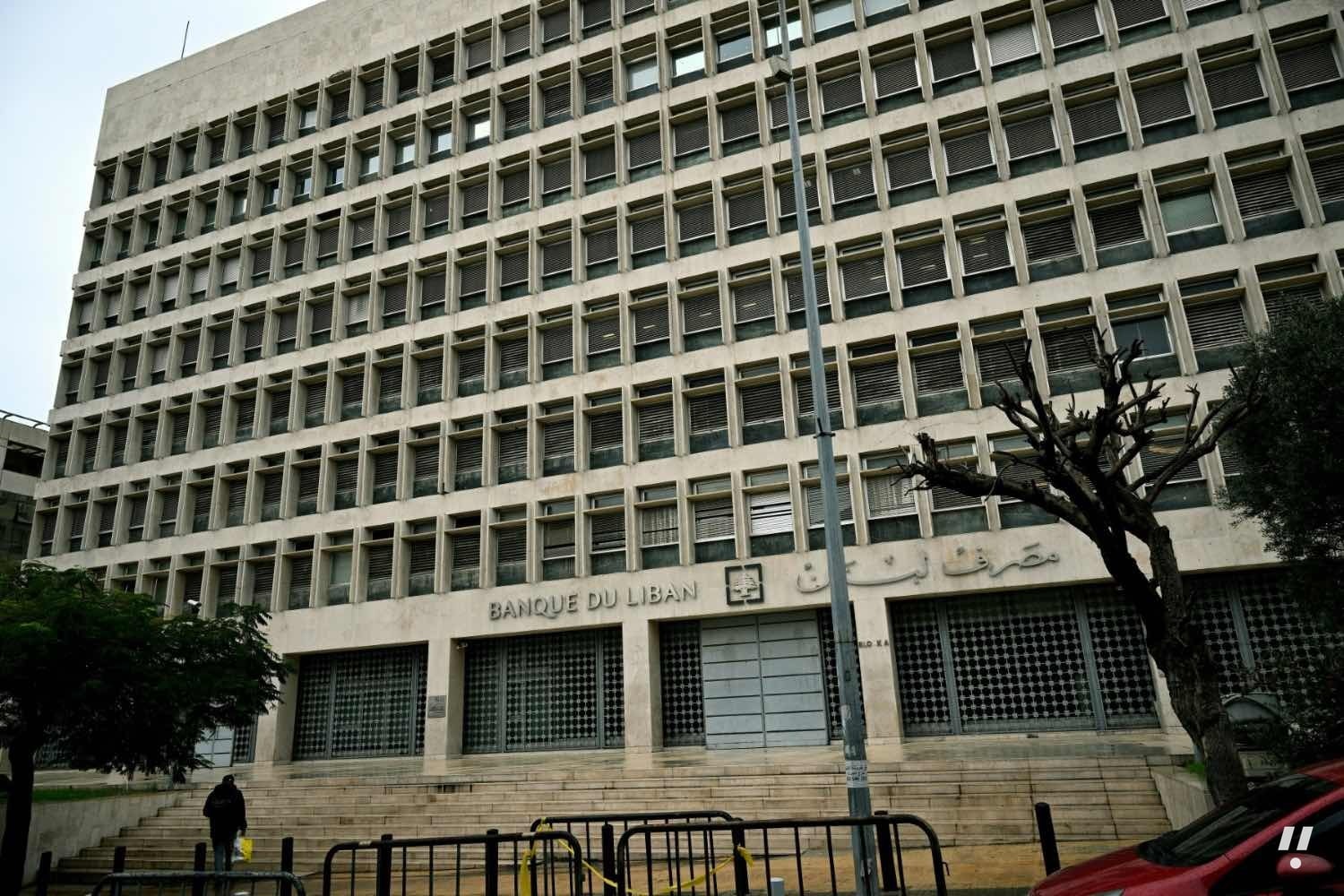
The International Monetary Fund described Lebanon's revised bank resolution legislation as a significant advance in rebuilding the financial sector. Reuters reported the assessment on Thursday, days after parliament approved the amended law on August 12.
Lebanon's government estimated financial system losses at about $70 billion in 2022. Analysts and economists expect those losses to have grown since. The amended law is a key measure for restructuring a banking system that has kept most depositors locked out of their savings since the financial crisis began in 2019. Its stated aim is to allow those frozen deposits to be returned gradually.
The changes alter how the Central Bank of Lebanon is governed. The Higher Banking Commission gains a stronger role in deciding whether a bank is restructured, liquidated, or rehabilitated. The IMF had previously said Lebanon needs an independent, transparent and effective bank resolution framework aligned with international standards.
Parliament's latest version incorporated changes proposed by its Finance and Budget Committee and kept a government-backed provision on financial regulation rules. The law has been revised several times. It still requires presidential approval, and it could face a challenge before Lebanon's Constitutional Council.
Federico Lima, the IMF's representative in Lebanon, said effective implementation of the new framework would be "critical." Lima said talks are continuing on aligning the draft Financial Stabilization and Depositor Recovery law with international principles.
The fund has tied the restructuring strategy to broader constraints. In February, it said the strategy must be consistent with available liquidity, with public debt sustainability, and with the gradual release of deposits. Rebuilding confidence in the banking system would help reduce reliance on cash and allow private-sector credit to resume. The IMF also described banking-sector rehabilitation as critical to restoring confidence, resuming credit, and supporting sustainable economic growth. It has urged Lebanon to advance a broader financial recovery and depositor-recovery framework and to pursue fiscal reforms that restore debt sustainability.
The country is operating under severe strain. The Lebanese pound lost more than 90 percent of its value during the financial collapse, and depositors remain largely unable to access their savings. The World Bank has called Lebanon's economic crisis one of the worst globally since the mid-nineteenth century. The conflict with Israel has added new pressure. War-related damage in Lebanon was estimated at about $7 billion.
This law is an enabling step, not a cure. Its value rests on implementation, and the IMF has made clear that restructuring cannot exceed what the state can finance. If the legal framework is not applied quickly and consistently, the losses estimated in 2022 are likely to keep growing, and the slow return of deposits may remain a promise rather than a process. What matters now is not the text on paper but how the Central Bank and the government use it.

