Iraq Agrees With Chevron-Led Consortium To Build $15B Oil Pipeline
A $15 billion Basra-to-north line from a Chevron-led consortium would carry 2 million barrels a day and reduce Iraq's reliance on the Strait of Hormuz.
Tariq Benali Tariq Benali covers business and corporate news across the UAE and MENA for Anecdoted, tracking the deals, leadership moves and regulatory shifts behind the region's companies. tariq@anecdoted.com
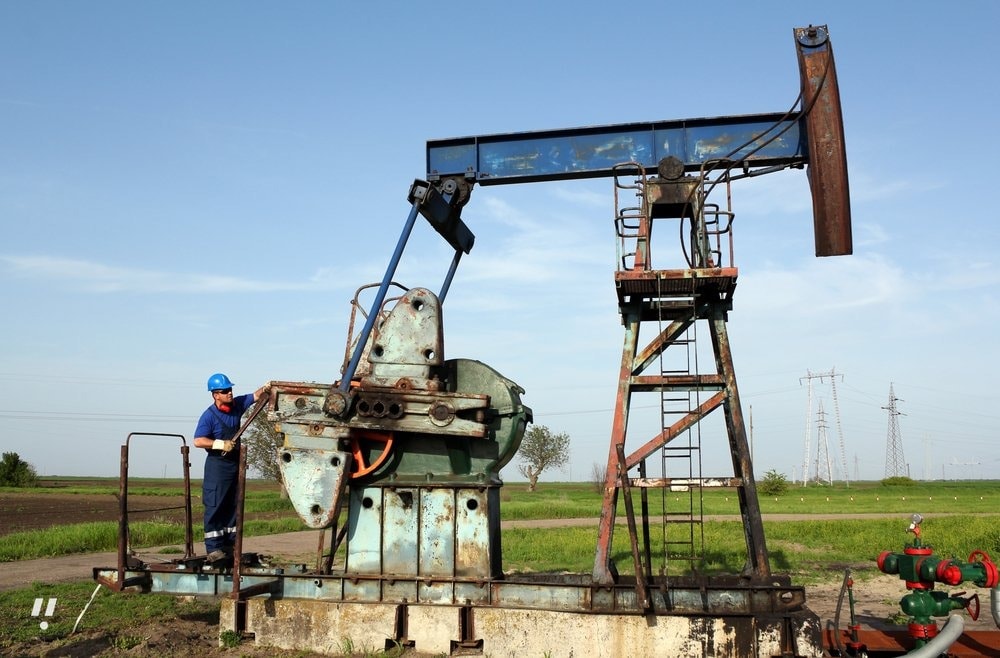
Iraq has reached an agreement with a Chevron-led consortium to build a $15 billion crude oil pipeline from Basra to the far north of the country, Iraqi Oil Minister Basim Mohammed Khudair said, according to Reuters. The line would run parallel to Iraq's existing Strategic Pipeline and carry as much as 2 million barrels per day. Chevron is leading the consortium, which also includes Qatari firm UCC and US-based TI Capital. The project is to be developed under a Build-Operate-Transfer framework.
The stated aim is to strengthen Iraq's oil transportation infrastructure and diversify its export routes. More than anything, the pipeline is meant to reduce Iraq's dependence on the Strait of Hormuz, the narrow waterway that has carried most of the country's crude exports. The existing line and the new route together would give Baghdad a way to redirect flows if one corridor is disrupted. Khudair said current distribution volumes are constrained by regional conflict. He added that once conditions normalize, the new infrastructure would allow Iraq to restore full export capacity, and affirmed that all national oilfields are ready to return to historical production levels.
The scale of the problem is visible in the current numbers. Iraq is producing 2.75 million barrels per day and exporting 1.75 million barrels per day this month. Before the conflict, production stood around 4 million barrels per day and exports averaged 3.5 million, with most of that crude moving through the Strait of Hormuz. Khudair put pre-war exports via the strait at 3.4 million barrels per day.
Disruptions have already proved expensive. In July, AFP reported Muzhar Saleh, financial adviser to the Iraqi prime minister, saying Iraq lost more than $40 billion in revenue since the Middle East conflict began. Saleh warned losses could approach $50 billion if Strait of Hormuz disruptions continue. Recent attacks and counterattacks in the region have made the need for alternative routes hard to ignore.
There is also a near-term effort. Iraq is incrementally increasing northern exports through Türkiye's Ceyhan terminal, with a target of 750,000 barrels per day. These exports will combine Kirkuk crude, road tankers from Basra, and the existing Strategic Pipeline. That gives Baghdad some room to move before any new line comes online.
A project on this scale will depend on security. The federal government says it is committed to ensuring a secure working environment for foreign partners, and that pledge matters for a pipeline crossing long stretches of Iraqi territory. Investors will want evidence that stability can hold over the life of a multibillion-dollar build, not just a signature on an agreement.
The Chevron-led pipeline is not an immediate fix. A 2-million-barrel-per-day line of that length takes years to plan, finance, and construct. For the consortium, that means committing capital before the security picture is fully settled. For Baghdad, the prize is an export route that does not run through the Strait of Hormuz.

%22%3E%3Crect%20x%3D%22-10%22%20y%3D%224%22%20width%3D%22120%22%20height%3D%221%22%20fill%3D%22%2300ff89%22%20opacity%3D%220.9%22%2F%3E%3C%2Fg%3E%3Ccircle%20cx%3D%22106%22%20cy%3D%2285%22%20r%3D%224.230769230769231%22%20fill%3D%22%2300ff89%22%20opacity%3D%220.75%22%2F%3E%3C%2Fsvg%3E)