Islamic Wealth Moves Beyond Compliance to Responsible, Global Investing
Standard Chartered's Ali Allawala on why Shariah-compliant wealth is converging with responsible investing, international diversification and a UAE push to double Islamic banking assets.
Karim El-Sayed Karim El-Sayed covers company news, policy and regulation across the UAE and wider MENA for Anecdoted, with a focus on how new rules and licences reshape how startups operate. karim@anecdoted.com
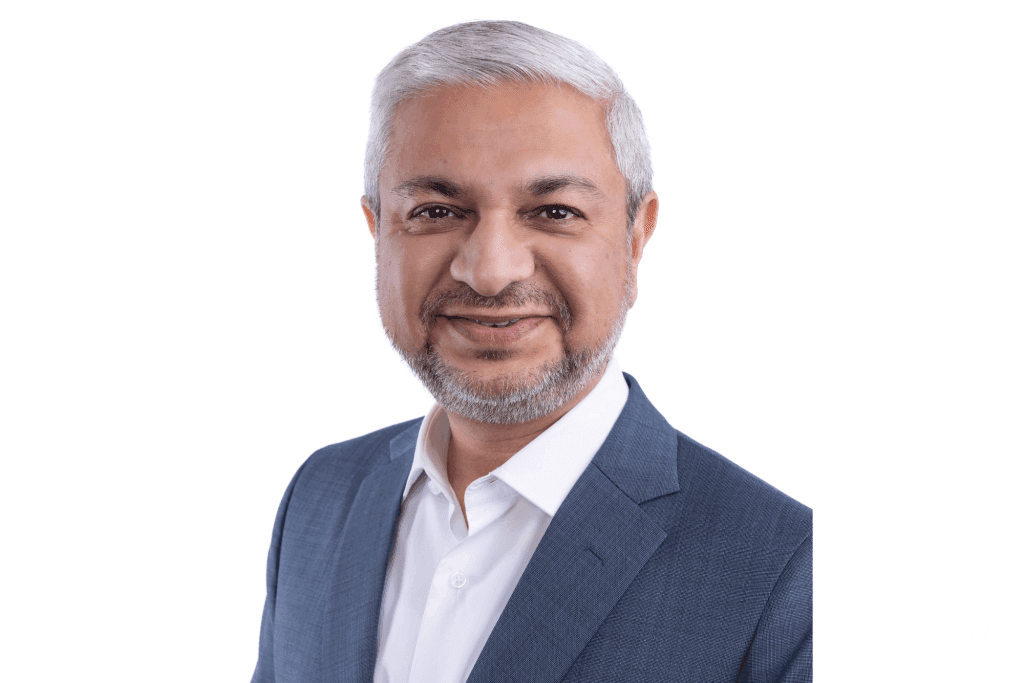
The biggest misconception about Islamic wealth management, says Ali Allawala of Standard Chartered, is that it exists only for Muslim investors. The principles underneath it — transparency, responsible capital allocation, disciplined investing and long-term stewardship — have far wider relevance. Allawala heads Islamic banking for the UAE and Group Islamic Wealth and Retail at the bank.
The wider appeal comes from changing investor expectations. Across the UAE and the broader GCC, a younger generation of entrepreneurs, family business leaders, professionals and globally mobile investors is taking a more strategic view of wealth. They are digitally connected and internationally minded. They want to preserve wealth across generations, and they want investments that reflect their values as much as their financial goals.
Islamic finance itself is shifting. Standard Chartered's report, The Islamic Finance Connector Era, estimates the industry holds roughly US$6 trillion in assets across nearly 100 jurisdictions. Scale is only part of the story, Allawala argues. The sector is turning from a country-and-region proposition into a globally connected financial ecosystem, linking pools of capital with investment opportunities across markets.
Those principles now register far beyond the traditional client base. Investors everywhere are asking for clarity about where their money sits, for stronger governance, and for strategies built around sustainable long-term value. Islamic finance, with its emphasis on transparency, prudent risk-sharing and investment tied to real economic activity, answers many of those demands.
The Client Conversation Has Expanded
Compliance is no longer the only question. Clients want to know how a portfolio will hold up under volatility, how to build international diversification, how technology can sharpen their decisions, and how to leave a lasting legacy. Entrepreneurs and business owners want advisers who understand cross-border wealth, international opportunities, philanthropy and succession planning. The discipline has become more holistic.
Recent geopolitical turmoil and market swings have made concentration risk harder to ignore. Wealth held in one market or asset class carries avoidable danger. International diversification is now central to long-term wealth preservation, not an optional extra.
The opportunity set has gone global. Standard Chartered's research identifies investment and trade corridors running through the GCC, China and the Middle East–Türkiye axis. Investors can reach global equities, sukuk, commodities, funds and structured products while holding to a single investment philosophy. Global access only works when paired with local expertise and trusted advice.
Allawala points to his bank's Chief Investment Office, which combines strategic asset allocation with tactical insight, and to its Signature CIO Islamic Funds, which offer Shariah-aligned exposure across global asset classes. The underlying argument is simple: portfolio construction matters more than individual product selection.
Technology Has Raised the Value of Advice
Digital tools now bring sophisticated investment solutions within easier reach. Investors can track portfolios and reach advisers with little friction. That has not made the human adviser obsolete. More information and more choices make interpretation more valuable. Advisers help match decisions to an individual's objectives, risk appetite and values.
Two decades of development, a supportive regulatory framework and openness to innovation have made the UAE a leading financial center connecting the Gulf, Asia and Africa with international markets. The UAE Strategy for Islamic Finance and Halal Industry reinforces that standing, with 2031 targets that would more than double Islamic banking assets to AED2.56 trillion and significantly expand both local sukuk issuance and international sukuk listings in the country.
Those targets reach well beyond financial institutions. Entrepreneurs, family businesses, family offices and individual investors all stand to gain from a deeper Islamic financial ecosystem: more choice, more innovation, and stronger links to international capital.

%22%3E%3Crect%20x%3D%22-10%22%20y%3D%224%22%20width%3D%22120%22%20height%3D%221%22%20fill%3D%22%2300ff89%22%20opacity%3D%220.9%22%2F%3E%3C%2Fg%3E%3Ccircle%20cx%3D%22106%22%20cy%3D%2285%22%20r%3D%224.230769230769231%22%20fill%3D%22%2300ff89%22%20opacity%3D%220.75%22%2F%3E%3C%2Fsvg%3E)