Mastercard's Adam Jones on Saudi Arabia's Digital Economy and Vision 2030
Mastercard's West Arabia president says payments, AI and cybersecurity are converging as the Kingdom enters the execution phase of its economic plan.
Karim El-Sayed Karim El-Sayed covers company news, policy and regulation across the UAE and wider MENA for Anecdoted, with a focus on how new rules and licences reshape how startups operate. karim@anecdoted.com
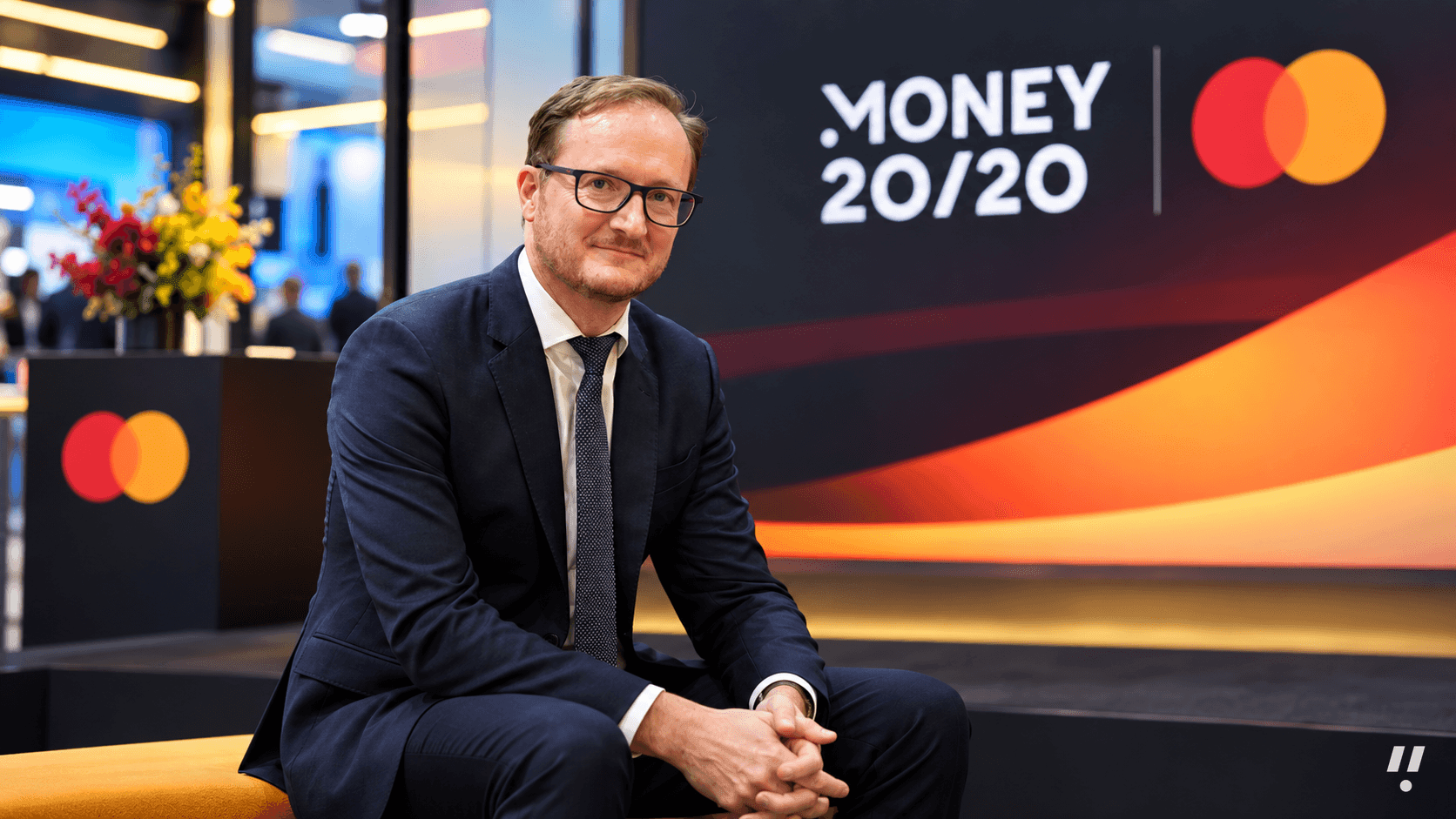
Adam Jones, executive vice president and division president for West Arabia at Mastercard, treats the shift in how Saudis pay as one part of a wider economic transition. Consumers are moving their spending to digital channels. Businesses are buying more sophisticated financial technology. Each change creates room for new services in industries that had little to do with payments a decade ago.
Speaking at the Money20/20 Middle East conference, Jones said Mastercard's own remit has stretched past processing transactions. The company now pitches itself as a technology partner, working with businesses and institutions to build digital tools that support growth, improve the payment experience and strengthen the wider financial system.
Partnerships beyond the card rails
A large share of that work sits in sectors that touch the consumer economy directly: tourism, aviation, fintech and small and medium-sized enterprises. As the Kingdom diversifies away from oil, those industries are generating demand for digital financial services that help companies expand and improve what customers get at the counter, in the app or at the airport.
SMEs stand out in that group. Access to financial technology can lift operational efficiency, widen market reach and let smaller firms take part in the digital economy on better terms.
AI, and the security question that follows it
Artificial intelligence is the second force Jones points to. He describes its value in three places: helping businesses run more efficiently, tightening security, and producing financial experiences tailored to the individual customer rather than the average one.
The same technology raises the stakes on defence. Mastercard's Cybersecurity Center of Excellence in Riyadh is part of its effort to build digital resilience and develop local security skills. As more transactions and business operations move online, protecting that infrastructure — and the consumer trust that rests on it — becomes a condition for everything else working.
Where human judgement still decides
Jones does not treat automation as a substitute for people. Software can speed up decisions and make financial services more intelligent, but he argues that complex problems still need human expertise to hold trust together and to ensure new tools deliver something worth having.
Put those threads together — digital payments, AI, security, and collaboration across industries that once operated separately — and the Kingdom's next stretch of Vision 2030 looks less like a payments story than an infrastructure one. For Mastercard, the next phase of growth is not counted in transactions enabled alone. It rests on the partnerships, technology and digital plumbing being assembled now, which the country's financial future will run on.

