Saudi Arabia’s PIF Discloses $26.3 Billion SpaceX Stake in 13F Filing
Saudi Arabia’s PIF held 154.1 million SpaceX shares worth $26.3 billion at the end of the second quarter, a new SEC filing shows.
Tariq Benali Tariq Benali covers business and corporate news across the UAE and MENA for Anecdoted, tracking the deals, leadership moves and regulatory shifts behind the region's companies. tariq@anecdoted.com
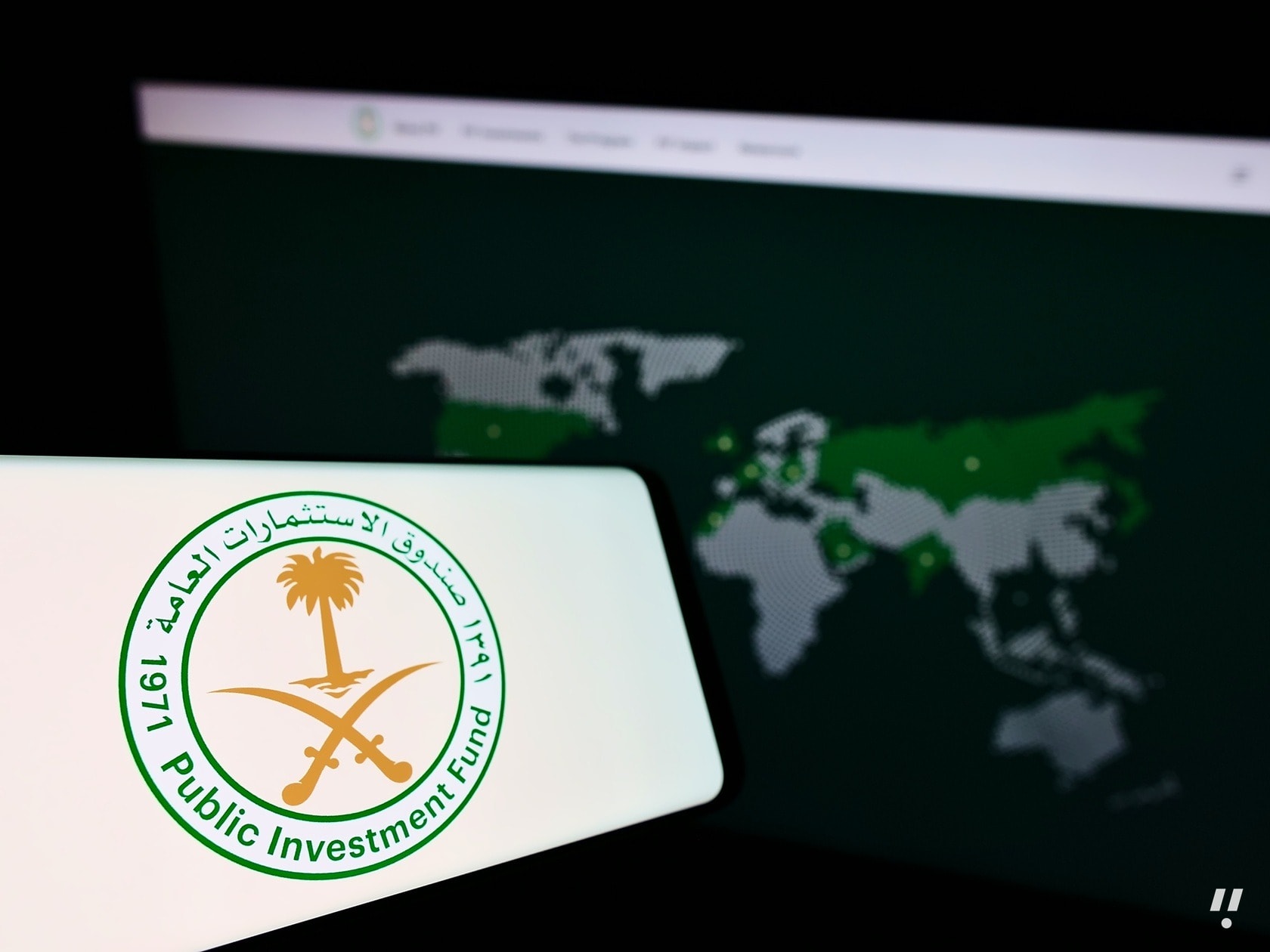
Saudi Arabia’s Public Investment Fund held 154.1 million Class A shares in SpaceX at the end of the second quarter of 2026. The stake was worth about $26.3 billion, based on the $170.86 share price on June 30, according to the fund’s latest 13F filing with the U.S. Securities and Exchange Commission. A 13F filing does not reveal acquisition costs, so it remains unclear what PIF paid for the shares or when it bought them.
SpaceX went public in June 2026. Its IPO priced shares at $135, giving it a base valuation near $75 billion. Reuters reported that the total offering reached roughly $86 billion after the overallotment option was fully exercised.
The institutional lineup
Quarterly filings have begun to show who holds large stakes. Alphabet led with 551.2 million shares, worth approximately $94.2 billion at the end of June. Fidelity followed with 302.6 million shares. Gigafund Management owned about 171.8 million, and PIF’s 154.1 million put it fourth. Baillie Gifford and BlackRock each held roughly 51 million shares.
Smaller disclosed positions included Australian billionaire Gina Rinehart’s Hancock Prospecting, with 8 million shares worth nearly $1.4 billion, and Brookfield’s 19.2 million shares. Palisani Asset Management disclosed 3.4 million shares, and Tiger Global Management reported 375,000 shares valued at $64.1 million. Reuters said the five largest institutional holders account for about three-quarters of the institutional shares disclosed so far.
Alphabet’s earlier bet
Alphabet’s holding shows the scale of an early investment. Google’s parent put $900 million into SpaceX in 2015. At the end of June, that position was worth $94.2 billion. At Thursday’s closing price of $141.29 on August 13, it would have been about $77.9 billion — close to 86.5 times the original investment. PIF’s cost basis cannot be assessed the same way because its filing does not disclose what it paid.
Elon Musk still controls SpaceX
Elon Musk owns about 48.4% of SpaceX, according to a regulatory filing. A dual-class structure gives him broad voting rights, so he retains significant influence after the listing. His fortune stood at $864.2 billion, putting him at the top of a real-time billionaires list. The stock’s post-IPO rally had briefly pushed his net worth above $1 trillion before the shares pulled back.
SpaceX shares closed near $137.60 on Friday, August 14, about 1.9% above the IPO price. They had settled at $141.29 the prior session. Steve Sosnick, a market strategist at Interactive Brokers, told Reuters that 13F filings alone make it hard to know which institutions held shares before the IPO.
Beyond rockets
SpaceX has also moved beyond the space industry. Its acquisition of Anysphere, the company behind the AI coding platform Cursor, closed on August 14, 2026. It was first announced in June with an implied valuation of about $60 billion. The two companies started working together in April. Cursor will use SpaceX’s computing infrastructure, and SpaceX will use Cursor’s coding and AI technology. Cursor said Grok 4.6 is one of the early applications of the collaboration.
PIF’s other U.S. holdings
PIF, which oversees roughly $1.2 trillion in assets across more than 220 companies, also reported continuing positions in Claritev, Electronic Arts, Lucid Group and Uber Technologies. Its filing showed about 1.28 million Claritev shares, 24.8 million Electronic Arts shares, 177.1 million Lucid shares and 72.8 million Uber shares.
The Electronic Arts holding is tied to a separate acquisition by a consortium that includes PIF, Silver Lake and Affinity Partners. Electronic Arts agreed in September 2025 to be acquired at an enterprise value of roughly $55 billion.
PIF’s strategy for 2026 through 2030 is built around stronger financial returns, improved portfolio efficiency and more private-sector partnerships. It names artificial intelligence, advanced industries, gaming, clean energy, tourism and infrastructure as priority sectors.

%22%3E%3Crect%20x%3D%22-10%22%20y%3D%224%22%20width%3D%22120%22%20height%3D%221%22%20fill%3D%22%2300ff89%22%20opacity%3D%220.9%22%2F%3E%3C%2Fg%3E%3Ccircle%20cx%3D%22106%22%20cy%3D%2285%22%20r%3D%224.230769230769231%22%20fill%3D%22%2300ff89%22%20opacity%3D%220.75%22%2F%3E%3C%2Fsvg%3E)