Sherif Beshara Says Better Hospitals Coordinate Expertise, Not Just Buy Equipment
Sherif Beshara, group CEO of American Hospital Dubai's parent company, argues that hospital improvement depends on coordinating expertise and judging technology by clinical value.
Karim El-Sayed Karim El-Sayed covers company news, policy and regulation across the UAE and wider MENA for Anecdoted, with a focus on how new rules and licences reshape how startups operate. karim@anecdoted.com
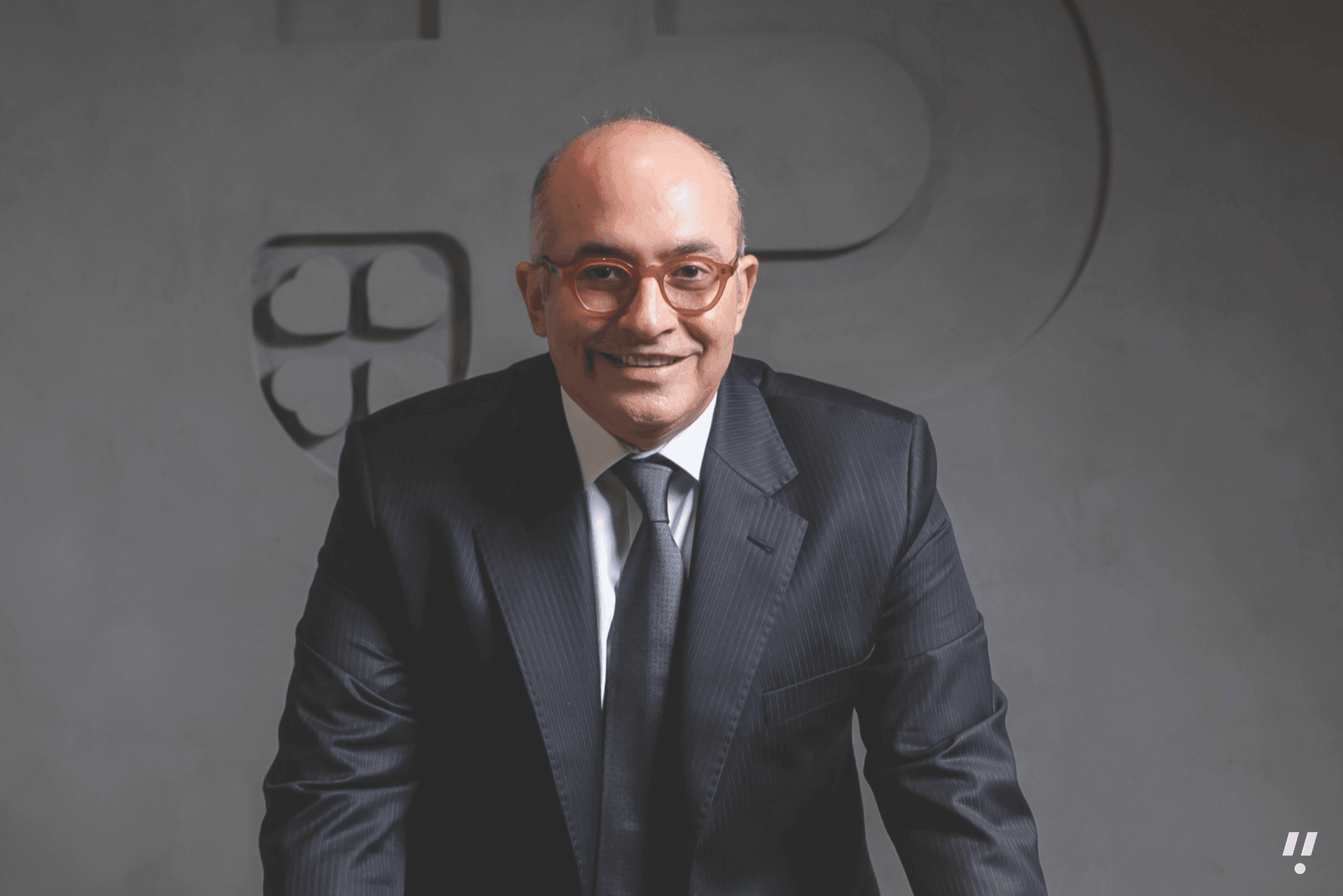
A different job for the chief executive
Sherif Beshara is group CEO of the Mohamed & Obaid AlMulla Group of Companies, the parent company of American Hospital Dubai. His background is not clinical. He holds an Executive MBA from Georgetown University and a master's degree in international law, and his career has run through corporate governance, legal counsel and business management.
That CV shapes his view of hospital leadership. Beshara argues that excellent care depends on more than gifted physicians and modern equipment. It also depends on an organization built to make specialist expertise work together around the patient.
He does not claim the CEO's chair as a source of medical authority. His stated role is to create the conditions in which surgeons, oncologists, radiologists, nursing leaders, researchers and operational specialists can exercise their own judgement. No hospital chief, he says, can hold that combined knowledge.
What a gastroenterology project showed
American Hospital Dubai worked with Mayo Clinic on the gastroenterology patient journey. The review looked at insurance-related delays, scheduling problems and gaps in follow-up. Endoscopy turnaround time fell from about 20 minutes to 12.4 minutes, a reduction of roughly 38%. The hospital also reported gains in patient follow-up and satisfaction.
The turnaround figure measures operations, not a clinical outcome on its own. Still, it shows where coordination can bite: delays between steps, handoffs and schedules. Beshara's argument is that some of the most meaningful improvements come from making existing capabilities work together rather than buying another piece of equipment.
Technology needs a clinical case
Artificial intelligence, robotic-assisted surgery, molecular diagnostics and precision medicine are changing what clinicians can attempt. The tools are real. Better care is not automatic.
Imaging, pathology and AI-assisted analysis can help physicians spot some conditions earlier and make sense of complex clinical information. Molecular profiling and genetic testing can support more personalized treatment decisions, especially in oncology. Robotic-assisted and minimally invasive surgery can give surgeons better visualization and precision. For selected patients, those approaches may reduce postoperative pain, shorten hospital stays and speed recovery.
Those benefits rest on evidence, patient suitability and the skill of the people using the tools. A hospital leader's question should be whether an investment delivers meaningful clinical value, not whether the equipment is the newest on the market.
From departments to patient pathways
For decades, the global healthcare industry has sought progress through greater specialization, more sophisticated technology and heavy spending on clinical infrastructure. Hospitals have competed for renowned physicians, built specialized departments and raced to adopt the latest diagnostic and surgical tools. The model produced advances. It also left patients moving through systems assembled around departments rather than around their own needs.
The wider shift in international healthcare runs from institutions organized around medical specialties toward integrated systems designed around the individual patient. That is an organizational change as much as a technical one. It asks hospitals to connect departments, data and schedules that have often operated separately.
For Beshara, the executive task is integration: align people, processes and technology so that expertise reaches the patient in a coherent sequence. The endoscopy numbers show the kind of gain available when that happens. They also show its limits. Faster rooms and better follow-up matter, but they are means, not the end. The end is a patient who gets the right judgement from the right specialist at the right time.

