GCC Industrial Base Draws US$426 Billion Across Nearly 22,000 Factories
Industrial investment across the six Gulf states totals about US$426 billion, with manufacturing contributing roughly 13% of combined GDP in 2025.
Karim El-Sayed Karim El-Sayed covers company news, policy and regulation across the UAE and wider MENA for Anecdoted, with a focus on how new rules and licences reshape how startups operate. karim@anecdoted.com
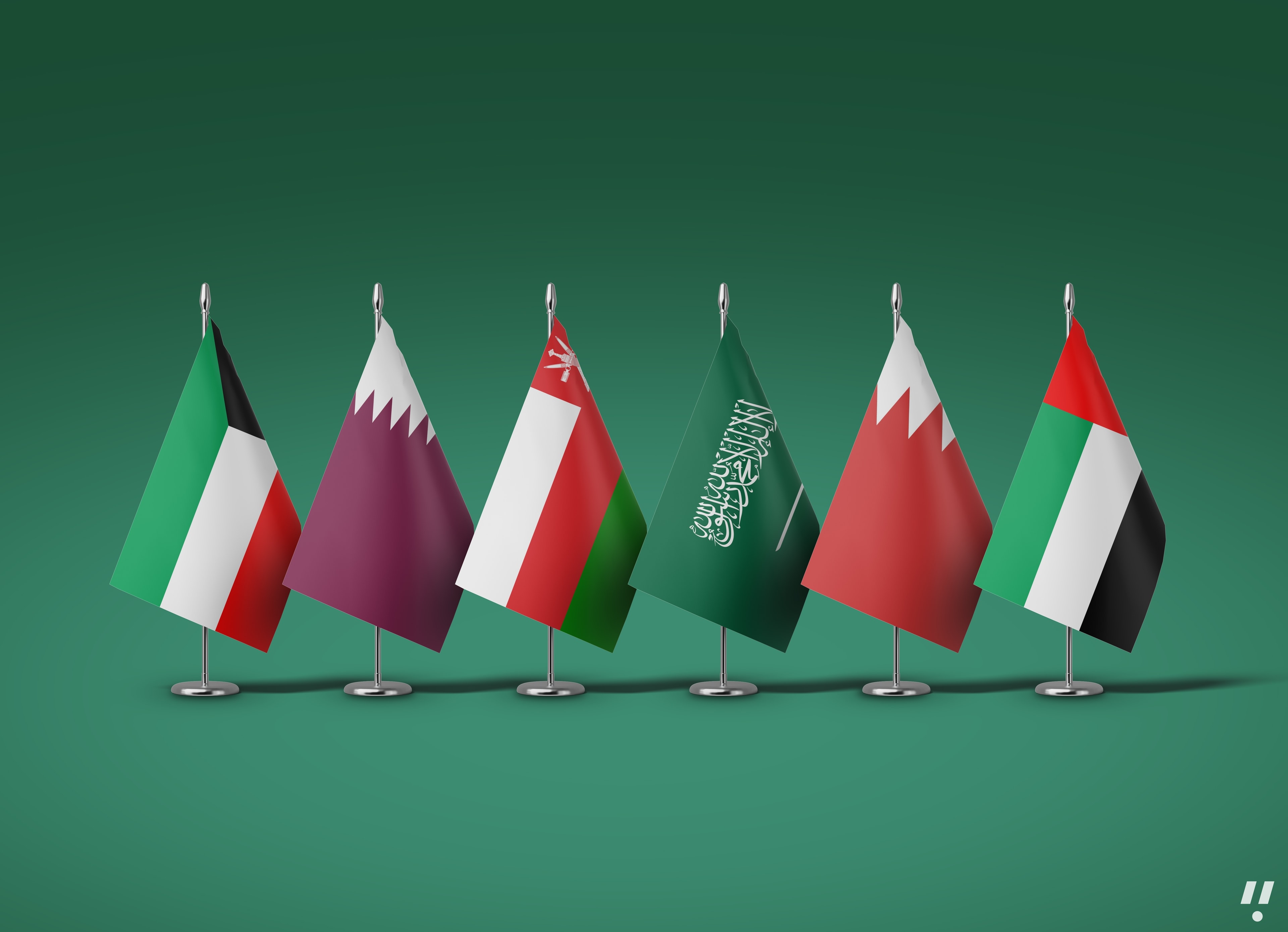
Industrial investments across the six Gulf Cooperation Council states total roughly US$426 billion, according to the Statistical Centre for the Cooperation Council for the Arab States of the Gulf, known as GCC-Stat. Its latest data, current as of July 2026, counts close to 22,000 factories in operation across the region and more than 1.7 million people working in the sector.
Manufacturing accounted for about 13% of the GCC's combined gross domestic product in 2025. The capital is not spread evenly. Around 40% of it sits in five industries: plastics, refined petroleum products, aluminum, gaseous fuels, and iron and steel. Those five supply much of what the rest of the region's manufacturing base runs on, feeding processors that turn basic materials into saleable goods.
Exports rest on industrial output
Industrial products make up approximately 69% of everything the GCC sells abroad. The biggest categories are petroleum gases and hydrocarbons, petroleum oils, motor vehicles, organic compounds, aluminum, ships and boats, and electrical machinery and equipment. Energy-derived commodities and metals dominate that list; vehicles and equipment form a smaller manufacturing layer on top of it.
Imports tell the mirror story. China is the region's largest single source, supplying about 20% of total inbound goods. The main categories arriving are machinery and equipment, motor vehicles, pharmaceuticals, iron and steel, and plastics. Two of those, steel and plastics, are also areas where Gulf producers are expanding at home.
Different starting points, shared targets
Investment levels and factory counts vary widely between member states. The stated priorities are more uniform: add production capacity, strengthen manufacturing supply chains, raise local output, and make GCC-made goods more competitive internationally.
The arithmetic of the workforce points to a base built around heavy processing rather than assembly lines. Spread 1.7 million employees over 22,000 plants and the average factory employs fewer than 80 people. Capital-intensive refining, smelting and petrochemical plants fit that profile; they generate exports and GDP but comparatively few jobs per dollar invested. Manufacturing's 13% share of GDP sits well below the 69% share industry holds in exports, which says how much of the region's outward trade still runs through the industrial sector rather than through services or trade in goods it does not make.
What happens next depends on whether the money now going into plastics, aluminum and steel moves further downstream, into products sold at higher margins than the raw material. The machinery and pharmaceuticals that Gulf states currently buy from China and other suppliers are the clearest measure of how far that shift has to go.

