Why Baskets Beat Single Stocks in the Gulf
Global ETF assets passed US$23tn. Five experts explain why Gulf investors shifted from stock picking to baskets.

The first ETF appeared on the Toronto Stock Exchange in 1990. By the end of July 2026, global ETF assets had hit a record US$23.11 trillion, per ETFGI, and nearly 17,000 ETFs were listed worldwide, per J.P. Morgan.
UAE investors are part of that. Emirates NBD’s Maurice Gravier says modest sums can now buy a globally diversified portfolio, which he sees as financial democratization. HSBC Asset Management’s Olga de Tapia says locals once paid managers to chase returns, but now accept that active funds have not always justified their fees. Passive products, she says, are no longer tactical extras; the core question is what each exposure is for.
Digital platforms are widening access. Fortune Business Insights expects global robo-advisory assets to rise from US$14.25bn in 2025 to US$18.7bn in 2026, with ETFs and index funds making up about 65% of those portfolios. The Dubai Financial Market added 138,262 new investors in 2024, up 120.5% from a year earlier.
Akshay Iyer of Sarwa spent his early client calls explaining what ETFs are. Now they can request country funds, sector plays and income strategies. Sarwa has crossed US$1bn in assets under management; gold and silver ETFs became its top traded assets for months, a notable shift in a market that preferred physical bullion.
Blair Hoover of SimplyFI, a 42,000-member community, traces gaps in financial knowledge to family history. Index funds only spread widely in the late 1990s, so parents could not teach them. Property remains the default for many expats. She urges beginners to build emergency funds, clear credit card debt, make their first trade and automate. The common mistake, she says, is tinkering and trying to time the market.
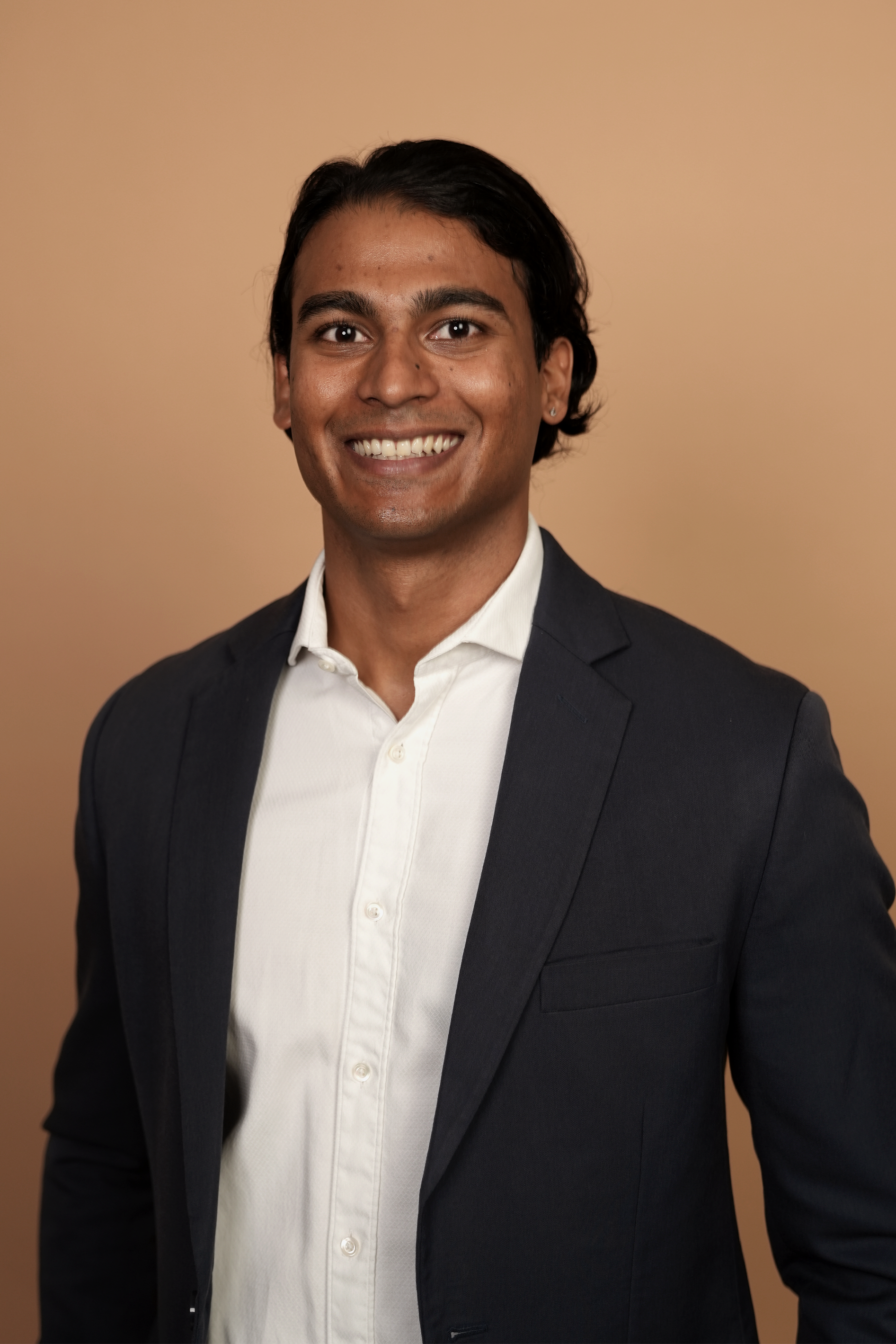
Steve Cronin of DeadSimpleSaving.com says individual stocks punish people. Apple lost 83% at one point between 2000 and 2023, Meta lost 77% in 2022, and a former employer’s stock fell 52% in three days and took ten years to recover; many stocks never do. A broad ETF can hold about 4,000 stocks in 50 countries for the cost of one trade. Stay invested, Cronin says, and a globally diversified fund should return 7%-10% a year, enough to double money in under ten years. He also warns against holding too much employer stock.
As of August 2026, 24 ETFs were listed on the Abu Dhabi Securities Exchange and two ETF share classes on the Dubai Financial Market. ADX was the first Arab exchange to cross-list two NYSE-domiciled ETFs, with about US$10bn combined.
Iyer says investors still mix up ETFs and mutual funds, and often confuse an index with the product tracking it. De Tapia sees active and passive as complementary, not opposite: active ETFs let managers take positions inside the ETF structure. Islamic indexing is broadening; HSBC’s Islamic Global Equity Index Fund has run since 2001 and held about US$2.9bn in June 2026.
Gravier thinks the next structural shift will be tokenization rather than new fund types, and he worries about ETFs that give liquid exposure to illiquid assets or embed leverage. Iyer expects ETFs to become the default and wants banks and insurers to distribute cheaper versions. De Tapia expects more Shariah-compliant tools beyond equities and more personalized, outcome-oriented strategies. The opportunity, she says, is not simply offering permissible products; it is building efficient global portfolios that are Shariah compliant.


