Egypt Signs $2B Tire Complex Deal With China's Linglong
Cairo signed a $2bn deal with Chinese tire maker Linglong to build an integrated tire complex serving local and export markets.
Tariq Benali Tariq Benali covers business and corporate news across the UAE and MENA for Anecdoted, tracking the deals, leadership moves and regulatory shifts behind the region's companies. tariq@anecdoted.com
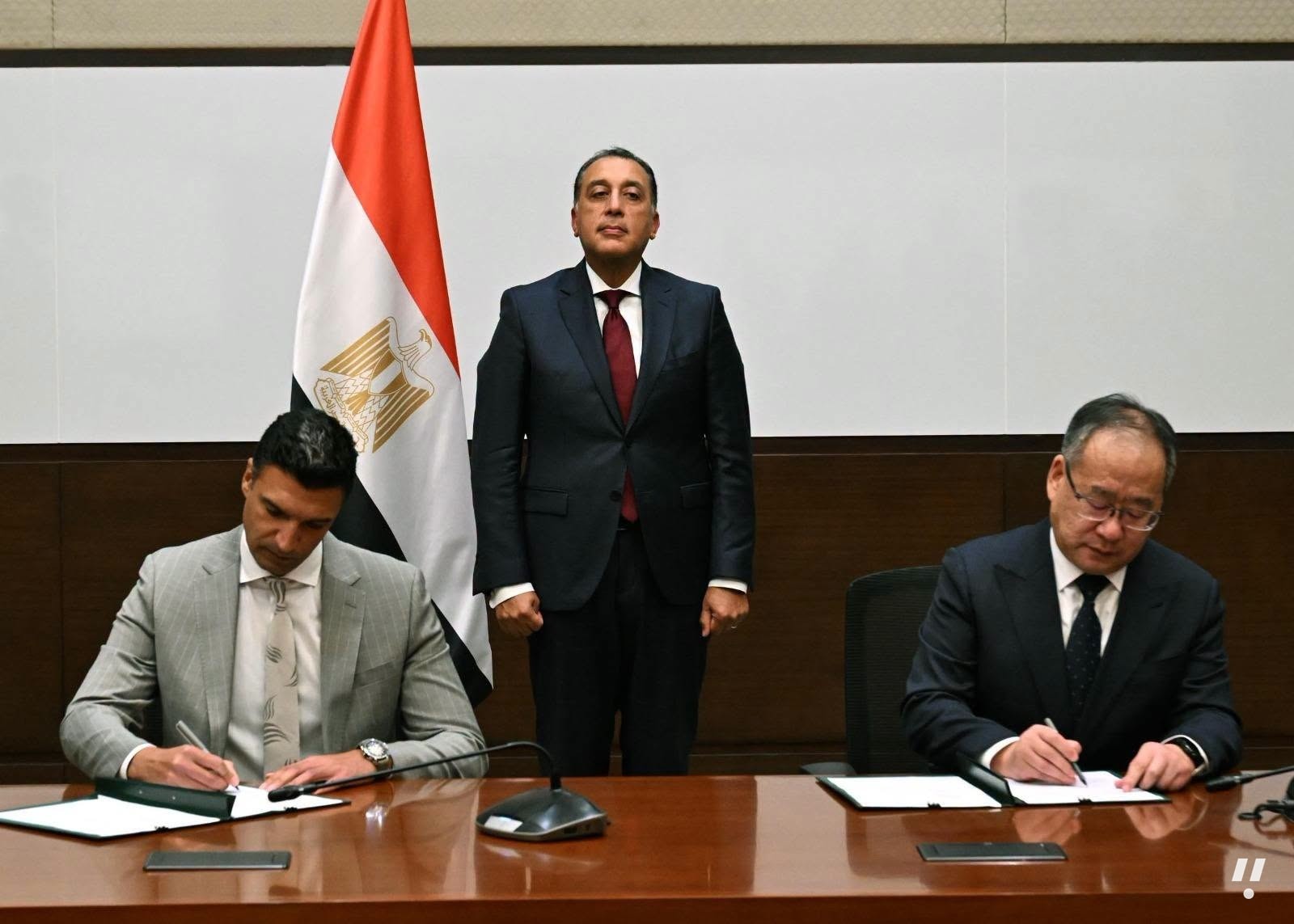
Egypt has signed a $2 billion agreement with China’s Shandong Linglong Tyre Co. to build an integrated tire manufacturing complex. Industry Minister Khaled Hashem signed for the Egyptian side. Wang Lin, vice chairman of Linglong’s board, signed for the company. Prime Minister Mostafa Madbouly attended the signing.
The deal supports an Industry Ministry strategy aimed at localizing feeder industries. The strategy combines three goals: raising the local component in manufactured goods, reducing dependence on imports, and expanding industrial exports. Tires fit that agenda because they are an end product in their own right and an input into the vehicles and machines that use them.
At the planned complex, production will include tires for passenger cars, buses and construction equipment. Conveyor belts will also be made there. So will carbon black and steel wire, the materials that sit near the start of a tire supply chain. Manufacturing those inputs locally is meant to close the loop instead of leaving the plant dependent on imported materials.
That is what makes this an integrated project. It is not simply a tire assembly line. The site is designed to make part of its own raw material base and then turn those materials into finished products in one location, which is the core of the ministry’s feeder-industry approach.
Linglong is a China-based tire maker. Its current output spans passenger and light-truck radial tires, truck and bus radial tires, and off-road tires for passenger, commercial and construction vehicles. The projected lineup in Egypt fits within product categories the company already knows.
Egypt expects the complex to create more than 5,000 jobs. The project is also intended to bring technology and expertise into the country. A local technical workforce is part of the plan, and that workforce is meant to serve a wider automotive manufacturing and components ecosystem, not just one factory.
Production will serve Egypt’s domestic market as well as export markets in Europe and the United States. The export component is essential to the scale of the investment. A plant with access to European and American buyers has a much larger market to plan around than one built for Egypt alone.
The ministry’s larger target is to build manufacturing capacity that attracts more investment, including projects supplying domestic demand and foreign markets. Carbon black and steel wire production at the complex could give other manufacturers a local source of materials, creating opportunities for industries that serve the automotive sector.
The strategy only works if other companies decide to operate around the complex. A single industrial park cannot force an ecosystem into existence, but it can create the conditions for one. Egypt is betting that carbon black and steel wire made locally will pull in manufacturers that would otherwise import those inputs.

