From Direct Sales at 18 to Dubai: Kris Ress on Building Durable Markets
Kris Ress spent 18 years testing technology, distribution, and incentives. His conclusion: satisfied customers come first.
Karim El-Sayed Karim El-Sayed covers company news, policy and regulation across the UAE and wider MENA for Anecdoted, with a focus on how new rules and licences reshape how startups operate. karim@anecdoted.com
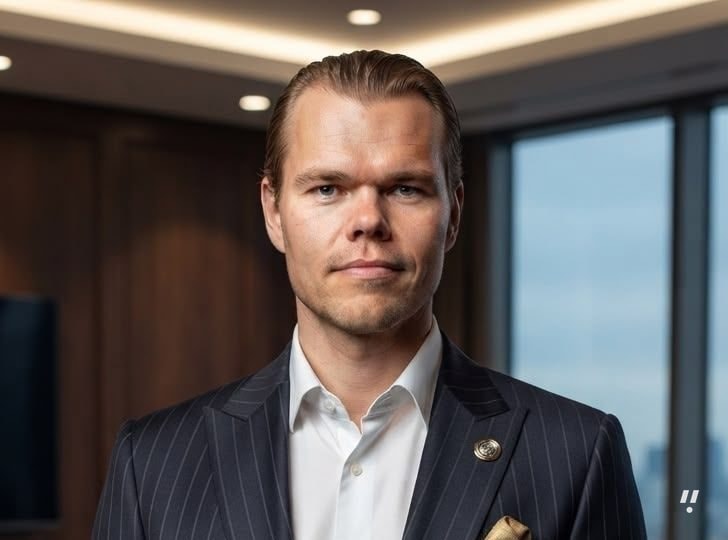
Kris Ress entered direct sales at 18. He is based in Dubai, but he started in Estonia, where he studied information technology and economics. The sales work taught him team building, communication, customer acquisition, and distribution leverage. Eighteen years later, he works across technology, finance, entrepreneurship, customer acquisition, and innovation.
Direct sales also exposed a tension. Short-term priorities kept colliding with long-term company durability. Ress kept noticing the same problems in business after business: weak customer value, poor incentive design, and short-term thinking. Growth could look impressive before the underlying structure was ready. That pattern bothered him.
After leaving one business opportunity, Ress traveled to India. He stayed for roughly two years. There he explored traditional businesses and import/export activity. By late 2016, he and a business partner decided to build a company. The venture focused on organized distribution and emerging digital technology. His teams worked on technology concepts alongside commercial activities. The goal was to make technology useful for ordinary transactions, communication, and participation.
Then came the hard lesson. Advanced technology does not automatically create a viable market. Ress spent years delivering training, presentations, and educational sessions internationally. That experience sharpened his view of what actually makes a product survive.
His position is simple. Sustainable distribution starts with a satisfied customer. Incentives cannot indefinitely compensate for a weak product experience. Reinvestment into products, systems, and communities beats extracting maximum value. Those are principles he holds, not slogans.
Ress's career has included significant setbacks. He does not present himself as someone who avoided failure. His approach is persistence with judgment. He also refuses to build a celebrity identity around his work. He positions himself as focused on substance, technical curiosity, and continuous learning.
The core discipline, as he frames it, is a set of four questions. Do customers receive real value? Does technology solve a useful problem? Is the market ready? Is the structure durable? Ress asks those questions before committing to a direction.
The shift from direct sales to global markets is not the usual founding story. But it explains the emphasis on distribution. Most technology companies start with a product and then hunt for customers. Ress started with customers and then built systems around them. That inversion shapes how he evaluates a venture today, and it may be the strongest filter an entrepreneur can carry into a market that rewards speed over soundness.

