Iraq Needs 8 Billion Cubic Feet of Gas a Day for Round-the-Clock Power, Kurdish Official Says
Ahmed Mufti, deputy minister in the Kurdistan Regional Government, wants fuel subsidies redirected into gas development and a licensing round for Akkas, Khashm Al-Ahmar and Mansuriya.
Tariq Benali Tariq Benali covers business and corporate news across the UAE and MENA for Anecdoted, tracking the deals, leadership moves and regulatory shifts behind the region's companies. tariq@anecdoted.com
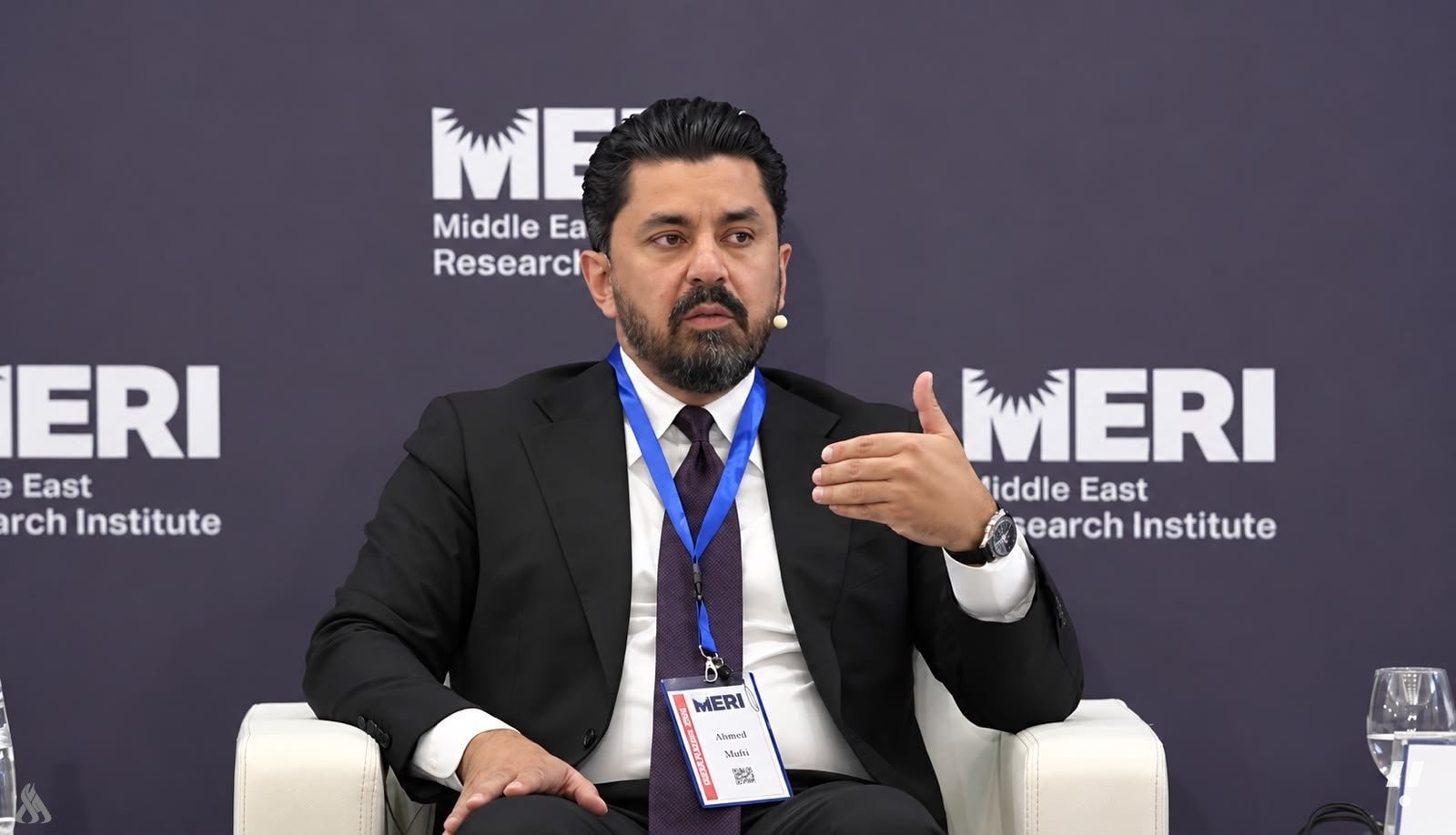
Iraq would need about 8 billion standard cubic feet of natural gas a day to keep electricity running around the clock, according to Ahmed Mufti, deputy minister at the Kurdistan Regional Government's Ministry of Natural Resources.
Mufti put the annual cost of waste in Iraq's energy sector at roughly $10 billion. A further $8 billion a year goes to subsidising industrial fuel for cement and steel plants, he said, and he wants part of that money redirected into developing gas fields and building the transport infrastructure to move the fuel.
His argument rests on switching industrial users from fuel oil to natural gas, which he described as both cheaper and less polluting. Iraq's federal government has already revised the pricing mechanism for fuel oil sold to industry. The new formula takes a benchmark of about $650 per metric ton, deducts $150, then calculates 80% of the remainder — producing a sale price of $400 per metric ton, a $250-per-ton discount to the benchmark.
Mufti said the savings generated by that mechanism could help pay for gas development projects.
The consumption figures at Bazian, in Sulaymaniyah Governorate, show the scale involved: factories there burn about 3,000 metric tons of fuel oil a day. Mufti said connecting them to gas would cut production costs and emissions, and leave more fuel oil available for export.
A licensing round with conditions attached
Mufti urged Baghdad to launch a dedicated investment licensing round covering the Akkas, Khashm Al-Ahmar and Mansuriya gas fields, along with others in Diyala and western Iraq. The aim is to reduce reliance on imported gas.
He attached conditions to the proposal. The round should carry clear legal, security and financial guarantees, settle outstanding payments owed to oil and gas companies, and support continued development, drilling and production expansion. Mufti also called for a specialised security system to protect gas fields and infrastructure, coordinated between the federal government and the Kurdistan Regional Government.
He went further on the institutional side, proposing that the Ministry of Oil be renamed the Ministry of Oil and Gas to reflect the growing weight of gas in the country's energy strategy.
Kurdistan's production
Output at Khor Mor rose from about 350 million standard cubic feet a day in 2020 to roughly 750 million, Mufti said. Total production across the Kurdistan Region is nearing 1 billion standard cubic feet a day. Developing the Chamchamal, Kurd Mir and Topkhana fields could lift that to between 2 billion and 3 billion, provided enough investment arrives and operating conditions hold up.
In August 2026, the regional government said it had begun sending Khor Mor gas to the federal Ministry of Electricity for power plants, describing the supply as another step in energy cooperation between Baghdad and Erbil.
The gap that gas is meant to close remains wide. In May 2026, the Ministry of Electricity said it could deliver about 29,000 to 30,000 megawatts to the national grid against projected summer peak demand of about 60,000 megawatts. Some plants depend on Iranian gas, and a World Bank report said imports from Iran fell from 9 billion cubic meters in 2024 to 6 billion in 2025. The same report listed Iraq among the world's nine largest gas-flaring countries.
Work is under way to capture and use gas burned off during oil production. The TotalEnergies-led Gas Growth Integrated Project includes a processing facility with capacity of 300 million cubic feet per day and is designed to feed power plants with combined generation capacity of about 1.5 gigawatts.
The fuel-oil discount is meant to work as a funding mechanism, but the sum it releases is small against the $8 billion subsidy bill: at Bazian alone, $250 a ton on 3,000 tons a day covers a fraction of what a national gas programme would need. The parts of Mufti's plan that Baghdad controls — guarantees, settled arrears, a licensing round — are the ones that determine whether the fields get drilled at all.

