Jordan Sets $2.82B Chemical and Cosmetics Export Goal for 2029
Six programmes under the 2027–2029 industrial strategy back the export target, alongside plans to cut energy costs and lift productivity.
Tariq Benali Tariq Benali covers business and corporate news across the UAE and MENA for Anecdoted, tracking the deals, leadership moves and regulatory shifts behind the region's companies. tariq@anecdoted.com
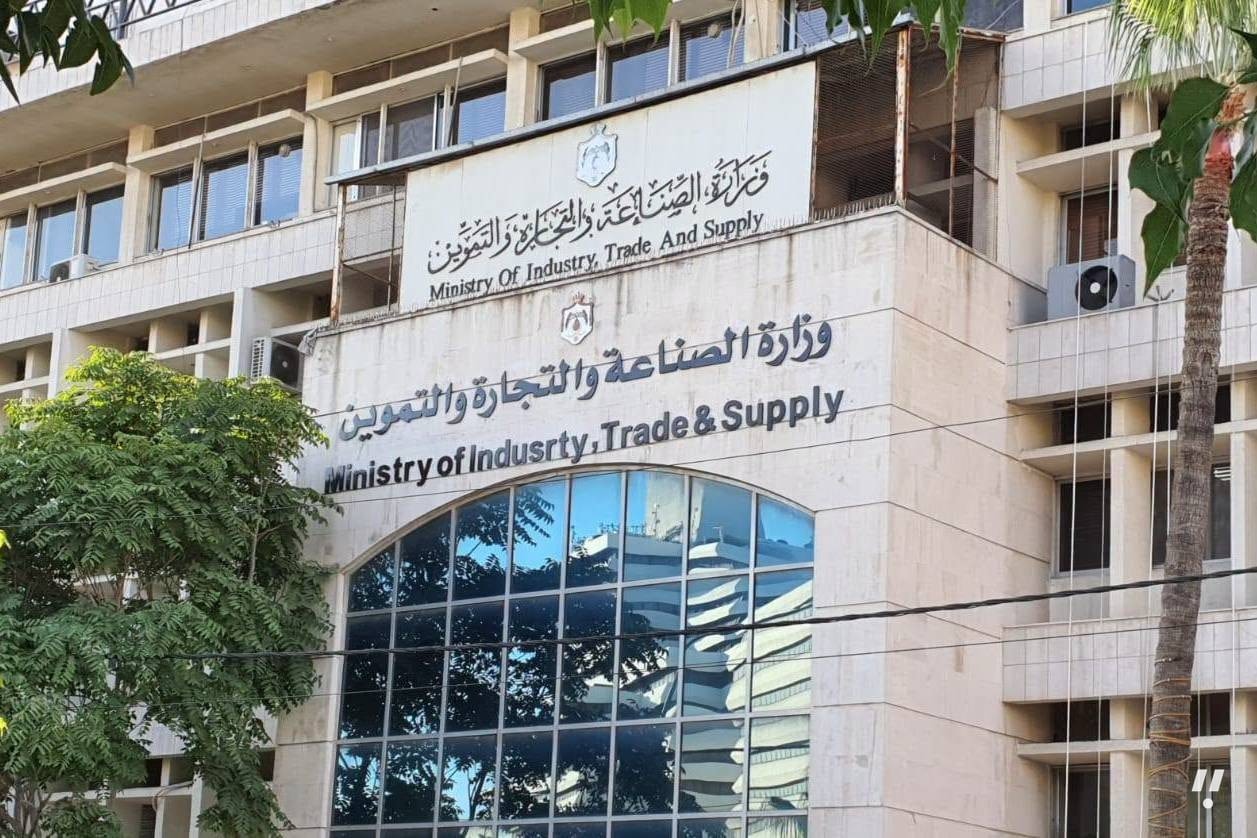
Jordan wants its chemical and cosmetics exporters to ship more than $2.82 billion (JOD 2 billion) a year by 2029. Six programmes are meant to get them there. The target sits inside the country's 2027–2029 industrial strategy, drawn up by the Ministry of Industry, Trade and Supply together with the Jordan Chamber of Industry.
The plan reaches past trade. It commits to cutting industrial energy costs by more than 15% and lifting labour productivity by roughly 20%. Those gains are expected to come from smart manufacturing, predictive maintenance and tighter use of resources rather than from more hours worked.
Changing what the sector sells
Jordan also wants to shift the product mix, not just the volume. High-value goods account for about 15% of sector sales today; the strategy aims to push that share past 25%. The areas singled out include specialty chemicals, fertiliser, biopesticides, advanced industrial goods and derivatives drawn from the Dead Sea.
An industrial integration programme targets local content above 15%. Reaching it depends on greater use of the kingdom's own mineral resources, on building out intermediate industries, and on laboratories accredited to international standards.
Investment is the other lever. A separate effort would double new investment in the sector, drawing on concessional financing, investment incentives, technology transfer and simpler regulatory procedures.
On exports themselves, the strategy stresses spreading sales across more overseas markets, improving product quality, and making fuller use of trade agreements and logistics corridors.
Carbon rules and the European market
Much of the compliance work points at Europe. The European Commission applies its Carbon Border Adjustment Mechanism to imports of fertiliser, cement, aluminium, iron and steel, electricity and hydrogen. Jordan's strategy sets out carbon footprint measurement, product quality standards and international accreditation, all intended to prepare affected producers for what foreign buyers now require.
The chemical and cosmetics plan is one of three sectoral strategies introduced on 6 October. The others cover engineering and food manufacturing. Each carries performance indicators, an implementation plan and mechanisms for monitoring results, and all three feed into the Economic Modernization Vision.
The wider export timetable
A national export strategy running from 2026 to 2029 sits alongside them. It targets 5% annual export growth and manufacturing exports of $11.1 billion (JOD 7.9 billion) by the end of the period. An interim review is scheduled for 2027, with a full impact assessment in 2029.
Ordering matters here. Fertiliser is among the goods that will carry carbon costs at the EU border, so a plan that ties export growth to accreditation and footprint measurement treats compliance as a condition of entry rather than a clean-up exercise afterwards. Whether the 2029 number holds will depend as much on testing labs and documentation as on factory floors.

