Saudi Non-Oil Exports Fall 26.2% in July as Re-Exports Drop 40%
Re-exported goods fell 40% year over year, pulling total non-oil shipments down even as oil's share of Saudi exports climbed to 71%.
Tariq Benali Tariq Benali covers business and corporate news across the UAE and MENA for Anecdoted, tracking the deals, leadership moves and regulatory shifts behind the region's companies. tariq@anecdoted.com
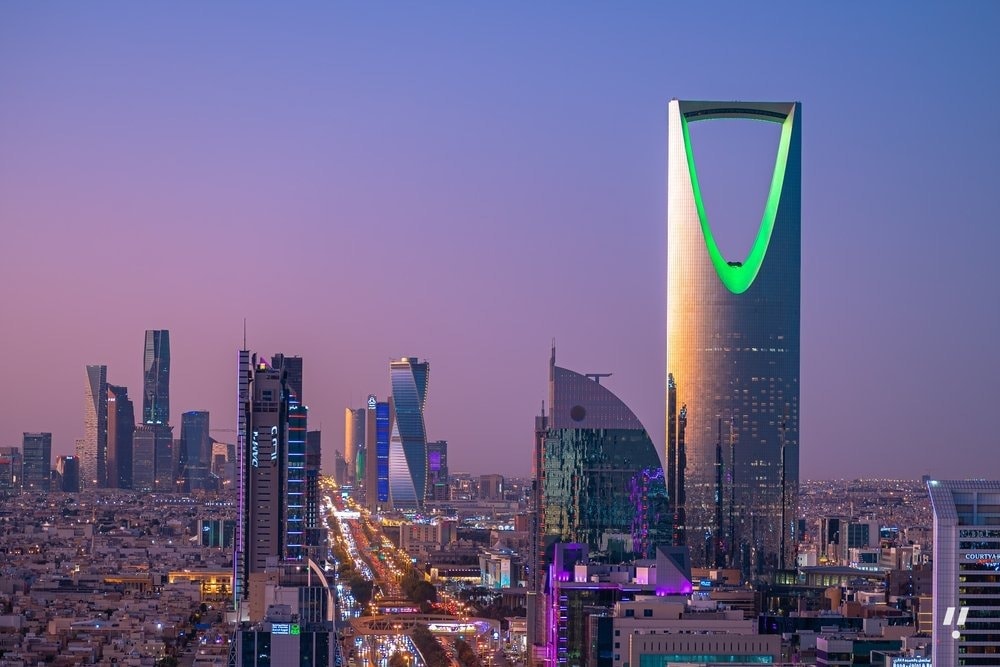
Saudi Arabia's non-oil exports, re-exports included, dropped 26.2% in July 2026 from the same month a year earlier. Weaker merchandise shipments, plastics and rubber among them, drove the decline.
National non-oil exports with re-exports stripped out fell 14.8% year over year, according to the General Authority for Statistics. Re-exports slid much further, down 40%, and machinery, electrical equipment and parts accounted for most of that: the category contracted 67.7% and made up 32.5% of all re-exported goods.
Merchandise exports as a whole were 17.2% lower than in July 2025, while oil exports declined 12.8%. Because crude and refined products held up better than other categories, oil's weight in the export mix grew. It represented 71% of total exports in July 2026, up from 67.4% a year earlier.
Imports contracted 15.4% over the same period, and the merchandise trade surplus was 25% smaller than in July 2025.
What left the kingdom
Plastic, rubber and related articles stayed the largest non-oil export group at 19.8% of the non-oil total, despite a 17.8% fall from July 2025. Chemical products and allied industries came next at 18.6%, down 32.1%.
What arrived
Machinery, electrical equipment and parts led inbound goods at 25.7% of total imports, a decline of 26.6% year over year. Transport equipment and parts followed at 10.2%, down 41.2%.
Ports and trading partners
Jeddah Islamic Port took the biggest share of non-oil exports at 24.2%. It was also the leading entry point for goods entering the country, handling 42.7% of imports.
King Khalid International Airport in Riyadh followed on the import side with 17.7%, then King Abdulaziz International Airport in Jeddah at 10.1%, King Fahad International Airport in Dammam at 5.4% and Al-Batha Port at 4.4%. Those five gateways together processed 80.3% of Saudi merchandise imports.
China remained the top destination for Saudi goods, absorbing 13.4% of exports. The UAE took 10% and Japan 8.7%. South Korea, India, the US, Poland, Malta, Egypt and Taiwan completed the top ten, which between them received 67.2% of the kingdom's exports.
The distance between the two non-oil measures, 26.2% with re-exports counted and 14.8% without, points to where the weakness sat. Goods passing through the kingdom fell far faster than goods produced in it, and one category of re-exported machinery explains most of the gap.
Both directions of trade shrank at once. Export earnings fell sharply, but so did the import bill, and the surplus narrowed anyway, leaving a smaller cushion than the same month last year.

