UAE Central Bank Curbs Bank Melli Iran Branches Over Compliance Failures
The central bank ordered local branches of Bank Melli Iran to stop all transactions to and from Iran, including trade finance and fund transfers.
Nadia Mansour Nadia Mansour covers fintech across the UAE and MENA for Anecdoted -- digital banking, payments licences and the startups building around them. nadia@anecdoted.com
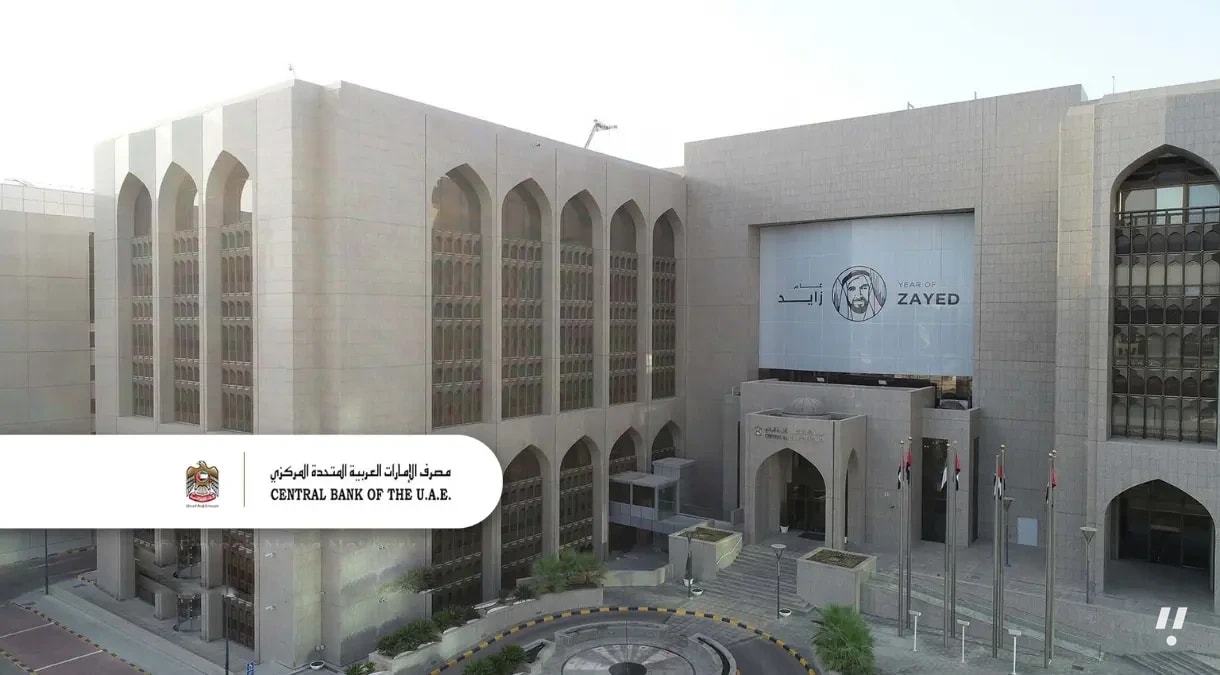
The Central Bank of the UAE has imposed enforcement measures on the local branches of Bank Melli Iran, ordering every branch in the country to stop handling financial transactions to and from Iran. Trade finance and fund transfers are covered by the ban.
The central bank tied the decision to violations of UAE regulations, laws and supervisory decisions. Among the obligations breached, it said, were those set out in legislation on combating money laundering, terrorism financing and proliferation financing. Each of those three areas carries its own set of supervisory expectations for banks with cross-border business.
Examinations formed the basis of the decision.
The order covers:
- Payments sent from the branches to Iran.
- Payments arriving at the branches from Iran.
- Trade finance running in either direction.
- Fund transfers running in either direction.
The legal basis
The measure rests on Article 168-1-C. That article belongs to the federal decree-law issued in 2025 as No. 6, a statute that sets rules for the central bank, for the regulation of financial institutions and financial activities, and for the insurance business.
The Governor of the central bank used powers the law grants that office to issue the decision. Because the statute dates from 2025, the action is an early use of its supervisory provisions.
Supervision
The central bank said it is pressing ahead with improvements to the framework it uses to oversee the institutions in its charge. It described the action as part of a standing practice of taking the measures needed to protect the soundness and integrity of the UAE financial system.
Its stated goal is to make sure the institutions and entities it supervises meet the highest compliance standards. The central bank framed that objective as consistent with relevant international best practices.
What the order changes
The prohibition is direction-specific. It names Iran as the counterparty, and it reaches trade finance and transfers in both directions, rather than shutting the branches outright.
Iranian banks have long used branches in the UAE to move money tied to trade, currency exchange and regional commerce. Cutting those branches off from Iran-directed payments leaves businesses on both sides with fewer formal routes for settling accounts, and it narrows the options for anyone who has relied on the UAE as a clearing point.
For a regulator, the value of an order like this lies partly in what it signals. The central bank has said it wants supervised firms to hit the highest compliance standards and to align with international practice. Enforcement against a named institution's local network is how that standard gets applied in practice.
The measures apply to the branches licensed in the UAE. What the central bank has ordered is a halt on one corridor of business, carried out under the powers it holds over the institutions it supervises.

