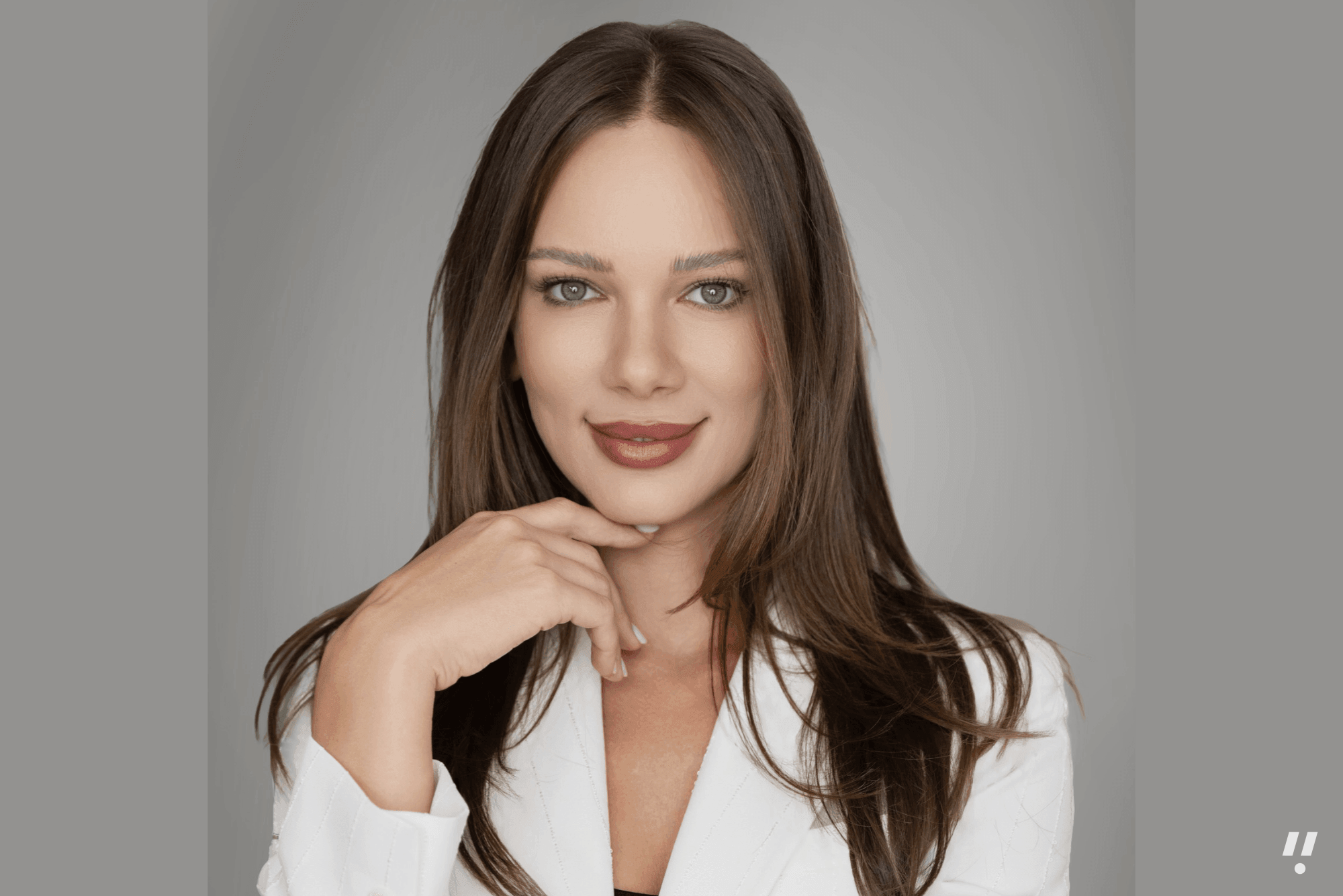
Roxana Diaconu Builds a Dubai Aesthetics Clinic Around the Consultation
The pharmacist-turned-founder of Roxana Aesthetics Clinic argues that trust is built in handovers, consultation structure and aftercare, not in the treatment room alone.
Karim El-Sayed Karim El-Sayed covers company news, policy and regulation across the UAE and wider MENA for Anecdoted, with a focus on how new rules and licences reshape how startups operate. karim@anecdoted.com
A pharmacist's habits, applied to aesthetics
Roxana Diaconu spent years in pharmacy before she opened Roxana Aesthetics Clinic on Al Wasl Road in Dubai in 2022. The training left her with a reflex for evidence, dosage, contraindications and responsibility, and with a suspicion of product names. A given product, she argues, can suit one patient and be wrong for another depending on history, expectations and risk profile.
She also came to the sector as a customer, visiting clinics across the city over several years. The practitioners were often good and the results often handsome. What varied was everything around them. A consultation could be thorough while the coordination felt impersonal, and she noticed that the clinics she trusted most treated every exchange as either earning trust or spending it. Clients recall the outcome, but they also recall being hurried, being given a thin explanation, or finding nobody available afterwards.
Working backwards from the exit
Before opening, Diaconu started from the state she wanted a client to be in on leaving: informed, calm, and sure the recommendation had been made for them rather than for a sales target. That meant hiring qualified clinicians, writing consultation standards, building coordination and follow-up that outlasts payment, and treating the handovers between reception, coordinator, nurse and doctor as seriously as the treatment room. Commercial pressure, she says, stays outside clinical decisions. A premium clinic has to be able to tell someone they do not need a treatment, or that now is the wrong time.
Her sequencing was deliberate. The client journey came first, and the people, systems and technology were chosen to support it rather than the other way round.
The consultation, the pace, the follow-up
The opening question should not be what the client wants to book, she argues. It should establish the concern, the change being sought, why it matters now and what has been tried before. Only then do options, limits, timelines and recovery get explained. Sometimes the right answer is no treatment at all: wait, repair the skin barrier, deal with something else first.
Pacing carries the rest. Rooms are prepared and notes read before the appointment, so nobody has to tell their story twice. Diaconu describes premium care as the absence of friction, and the opposite of a production line. Aftercare she treats as part of delivery rather than service bolted on: clients should know what to expect, what to avoid, how long a reaction may last, when to judge the result and which signs warrant a call to the clinic.
A wide menu, a narrow filter
The clinic offers laser hair removal, dermal fillers and body contouring, among other treatments. Diaconu's test for adding anything is whether it answers a genuine need, fits the existing standard of care and connects logically to what the clinic already does. Popularity alone does not qualify. The same filter applied to the Glass Skin Facial, which drew on Korean skincare but was rebuilt for the clinic's own patients and clinical environment. A Vogue Arabia feature followed, though she says visibility was never the reason it exists.
Clients arrive better informed than they once were, often through short video and before-and-after images. The clinic's job, she says, is to weigh anatomy, skin condition, medical history, previous treatments and expectations, then give a clear reason when a request is unsuitable rather than a flat refusal.
Consistency, and what it costs
Diaconu defines premium as consistency under pressure: the same standard on a quiet morning and on a fully booked evening. Marble and a high price do not substitute for it. Consistency comes from structured consultations, documented protocols, case discussions, service standards and feedback. Technical skill can be taught, but judgement, honesty and attentiveness have to be present at hiring.
Holding that line has meant turning down opportunities, slowing decisions and spending management time on training and supervision that clients never see. One inconsistent experience can undo years of brand building, she says, so the clinic grows only as fast as the standard survives.
Natural-looking results, in her account, call for restraint, proportion and a long view of how a face moves and ages. She is a member of the Forbes Business Council and has been recognised in Victor Magazine, and she uses those platforms to argue that care is not a soft layer wrapped around the business model. It is the business model, particularly in a market as competitive as Dubai's.

