Saudi fintech Nayla raises $18m to expand micro-business lending
The Sanabil Studio-backed Saudi fintech closed a pre-Series A round combining equity and debt at LEAP 2026.
Anecdoted Desk Anecdoted Desk covers rolling funding rounds and startup news across the UAE and MENA -- the wire for deals as they're announced. team@anecdoted.com
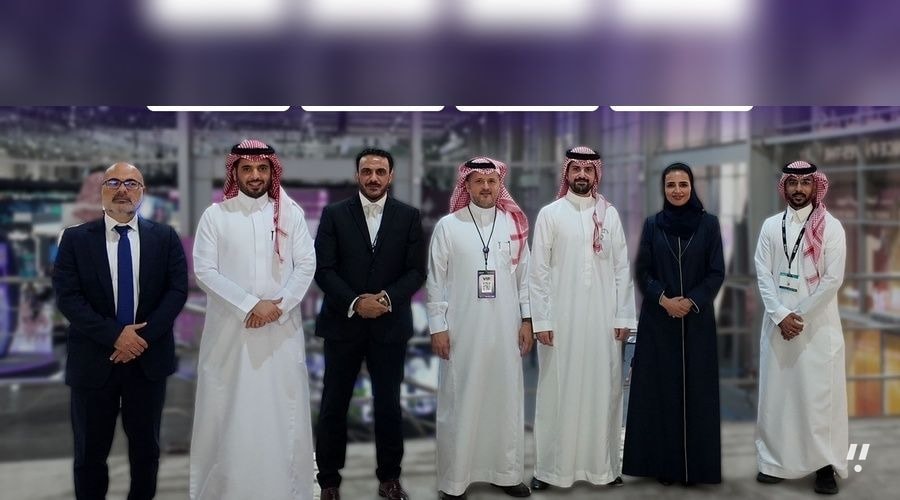
Nayla, a Saudi fintech that uses AI to assess and issue loans to micro-businesses, has raised roughly $18 million in pre-Series A financing. The deal was announced at LEAP 2026 in Riyadh. Its structure is unusual for this stage: the money comes as both equity and debt.
Idrisi Ventures led the equity portion. Suhail Ventures also took part. The debt facility was led by BLOMINVEST, a bank-led vote of confidence in a lending model that barely predates it. The two capital streams serve different purposes — borrowed money can be put to work as credit, while equity pays for the technology and team behind the underwriting decisions.
Shaqran Alyahya and Khalid Naili established Nayla in 2024. The company was built through Sanabil Studio, making it the first venture from that studio to close an institutional funding round. Its earlier $4 million seed round, also in 2024, was led by Sanabil Venture Studio by Stryber. That sequence matters: a studio-built startup moved from seed to institutional backing in less than two years.
Nayla focuses on the smallest businesses in Saudi Arabia, the ones usually too small for a corporate banking relationship. Its products are designed to make digital financing faster and more accessible. The new capital will accelerate those AI-powered lending tools and expand financing access for micro-businesses across the kingdom.
The company ties this expansion to Vision 2030, the national agenda that gives micro-enterprises a role in Saudi economic development. That link is not incidental. A national growth strategy can create priorities and policy support, but it does not by itself put working capital in front of a small retailer or service provider. A digital lender can.
Nayla has done the easy part: convincing investors that its idea deserves capital. The harder task is now to prove that an AI-led credit model works at volume and that Saudi micro-businesses will use it. BLOMINVEST's presence on the debt side suggests the company is meant to lend from a balance sheet, not merely sell software. That makes the next test straightforward — can thinner parts of the economy repay the loans they finally have access to?

